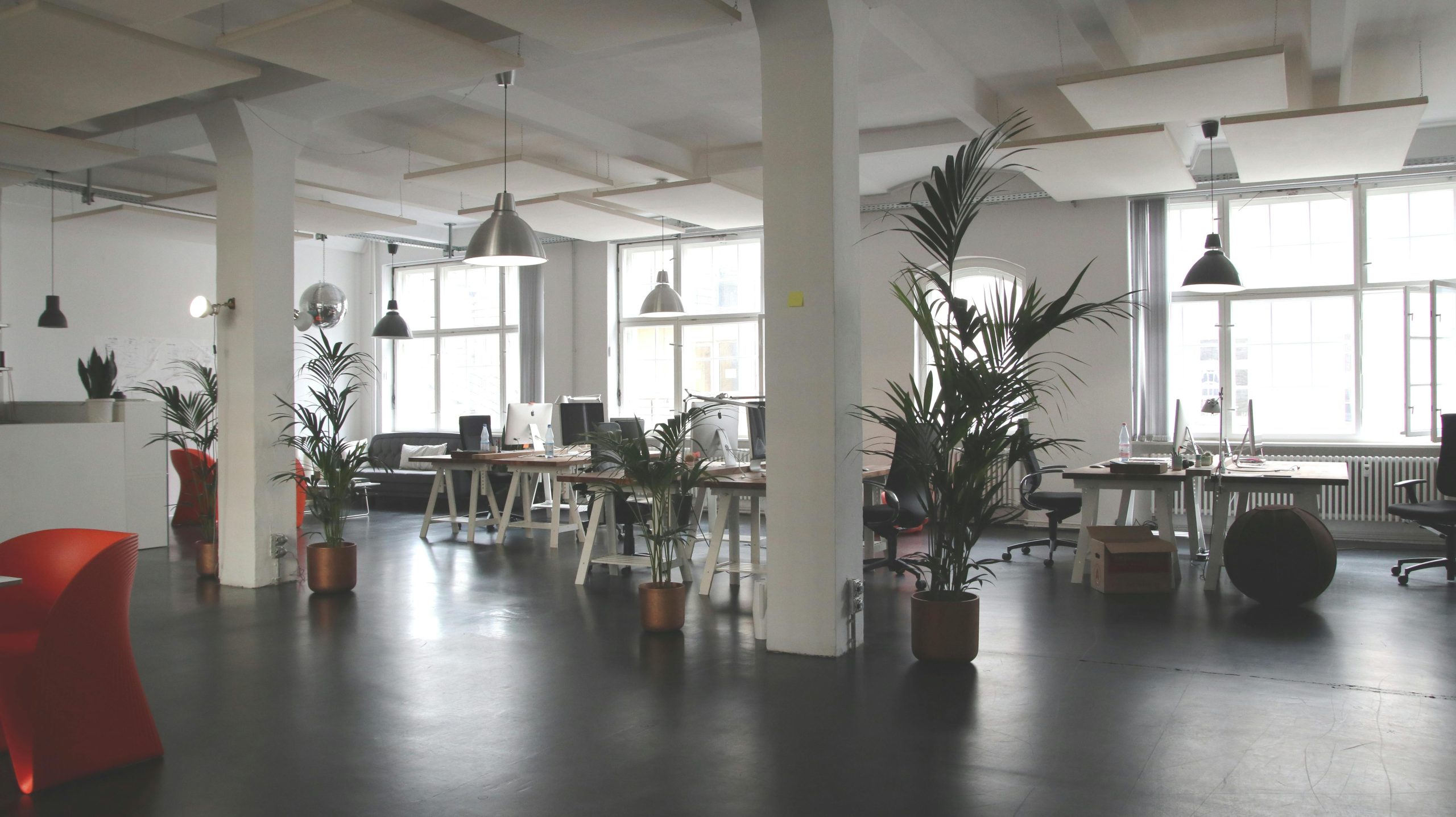
Why Building Maintenance Should Be a Top Priority for Business Owners
Running a business takes focus, time, and a long to-do list. Most owners are busy managing staff, serving clients, or building their brand. But there’s one area that often gets pushed aside: building maintenance.
The condition of your space affects how people view your business. A clean, safe, and working environment speaks volumes about how you operate. It sets a tone for your team and builds confidence with customers or clients.
Good maintenance does more than just improve looks. It helps with safety, reduces long-term costs, and supports daily operations. Whether you own the property or lease it, how you care for your space reflects your business values. In the long run, staying ahead of upkeep saves time, money, and stress.
First Impressions Start at the Door
Think about the last time you visited a business with stained floors, flickering lights, or dusty counters. It likely made you second-guess the quality of their services, whether or not you said anything. Customers notice these details right away.
The entrance, reception area, and restrooms are some of the first spaces guests see. If they’re clean and well-kept, visitors feel more comfortable. They’re also more likely to trust your professionalism. The same goes for potential partners, vendors, or job applicants.
Maintaining these high-traffic spaces takes consistency. Sweeping once in a while isn’t enough. Daily foot traffic leads to dirt buildup, smudged windows, and wear on the flooring. To stay ahead of this, many business owners bring in outside help.
Partnering with a commercial cleaning service can help businesses stay ahead of daily wear and tear while keeping common areas fresh and welcoming. These services handle everything from trash removal to deep cleaning, depending on your needs. Their work helps maintain a professional image, which is often tied directly to customer satisfaction.
It also helps your team focus on their jobs. Employees shouldn’t have to worry about wiping down entryways or managing cleaning schedules. When professionals handle these tasks, your staff can stay focused on what they’re hired to do.
Keeping up appearances isn’t just for the public—it also affects your team. People are more likely to take pride in their workspace when it’s clean, organized, and respected.
Preventive Maintenance Saves Money Long-Term
It’s easy to delay fixing a slow drain, loose tile, or cracked sidewalk. But waiting too long can turn a small repair into a big problem. That’s where preventive maintenance makes a difference.
Fixing issues early avoids bigger bills later. For example, servicing your HVAC system each season helps you avoid breakdowns during busy workdays. Checking for leaks can stop water damage before it spreads. Taking care of minor repairs keeps your building in better shape and lowers the chance of costly emergencies.
Preventive work also reduces service interruptions. When your building runs smoothly, your business does too. That consistency helps with planning and protects your bottom line.
Safe Buildings Build Confidence
A well-maintained space feels safe. That matters to both employees and visitors. When lights work, exits are clear, and surfaces are even, people feel more comfortable moving through the building. They don’t have to worry about slips, blocked paths, or sudden outages.
Neglecting safety-related maintenance can lead to more than just discomfort. It can cause injuries or violations that come with legal or financial consequences. Keeping up with fire alarms, stair rails, exit signs, and emergency lights is part of running a responsible operation.
Your team also benefits from working in a space that feels looked after. Employees shouldn’t be walking through dim hallways or dealing with broken restrooms. These daily issues wear down morale over time. A safe, functional building helps build trust. People feel better about showing up and doing their best when the space supports them.
Building Condition Affects Productivity and Morale
The condition of a workplace impacts how people think and work. A bright, organized environment can help employees stay focused. If the air is fresh, lighting is good, and restrooms are clean, people can stay productive without unnecessary distractions.
When a building is poorly maintained, it shows. Paint peels, vents collect dust, and shared spaces become uncomfortable. Even if the core business is solid, these issues take a toll. Staff may not speak up, but they notice. Over time, this leads to frustration or disengagement.
Keeping the space in good shape also helps with workflow. Well-lit storage areas, smooth flooring, and working appliances reduce wasted time. Little improvements add up. You’re not just making things look better—you’re helping your team work better.
Property Value and Asset Life Span Depend on Care
Your building is part of your business investment. Like any asset, it needs upkeep to hold value. Ignoring maintenance shortens the life of key parts like roofing, windows, flooring, and heating systems.
Regular checks, minor fixes, and cleanings help protect those features. When parts of the building stay in good shape, you avoid big repairs later. For owners, this means better resale value down the road. For tenants, it means fewer disputes over damage or lease terms.
Keeping a building in strong shape also helps attract new tenants or buyers. A clean, well-cared-for property shows that it’s worth the price. It can also support future growth if your business plans to expand or upgrade.
No one wants to deal with major repair bills because of years of neglect. With steady upkeep, the building stays reliable and ready for daily use.
Making building maintenance a priority is smart business. It shapes how people see your company, supports daily operations, and helps you avoid costly problems. Whether you manage a storefront, office, or warehouse, how you care for the space reflects your approach to business.
You don’t need a full-time crew or a huge budget. A clear maintenance plan and the right service partners can go a long way. When your building works well, so does everything else around it. It’s a steady way to protect your business and support everyone who walks through the door.
