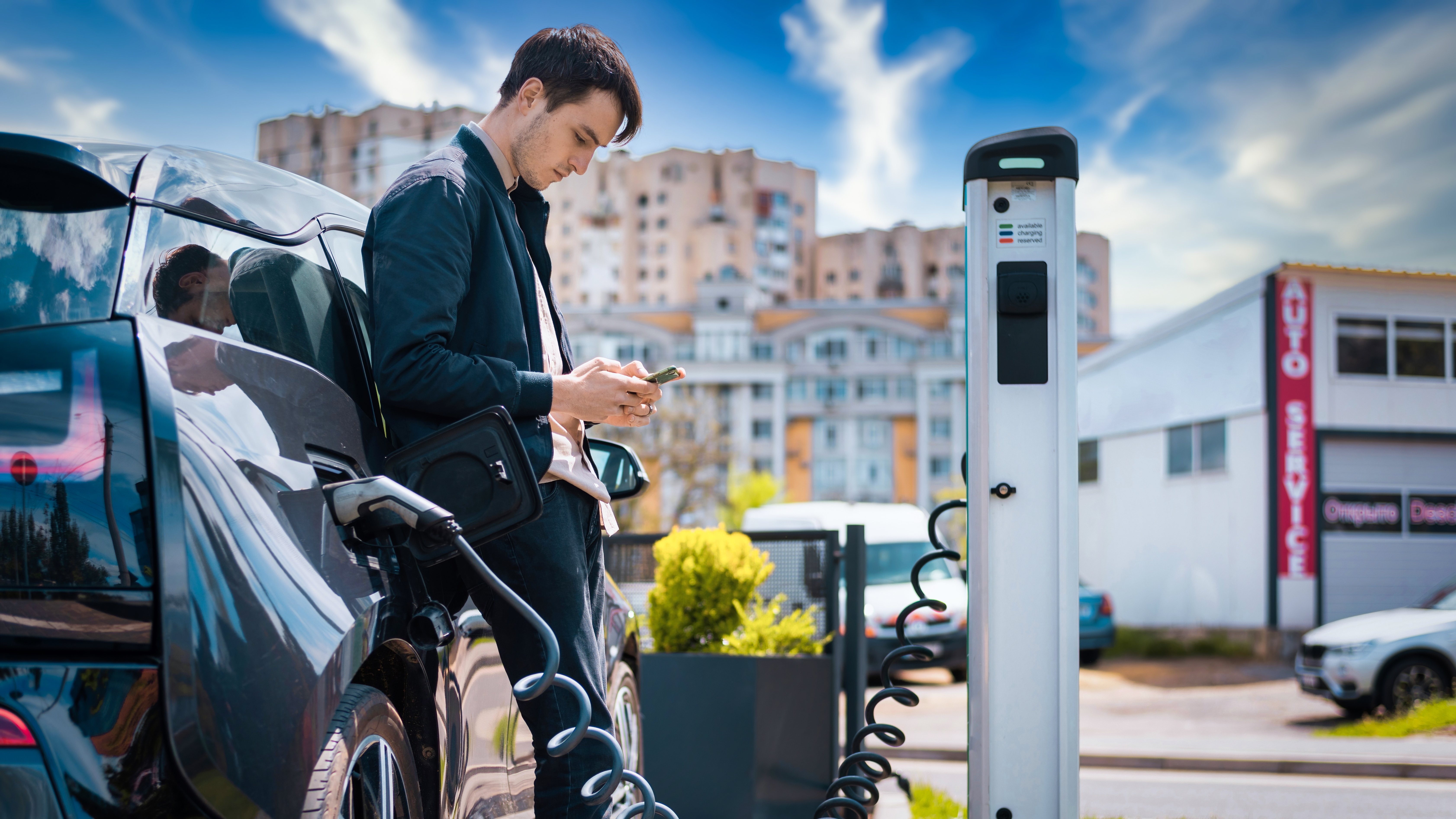
The Growing Value of EV Charging in Commercial Real Estate
As electric vehicles transition from niche to mainstream, commercial property owners face a critical decision: adapt now or risk falling behind. Installing EV charging stations has evolved from an eco-friendly perk to a strategic investment that enhances property value, attracts premium tenants, and ensures long-term competitiveness in shifting markets.
Why Commercial Properties Need Charging Stations
Forward-thinking landlords recognize that commercial EV charging installation delivers measurable financial benefits beyond sustainability credentials. Office buildings with charging access report significantly higher occupancy rates, while retail centers benefit from extended customer visits from EV drivers who spend more time shopping while their vehicles charge. Multifamily developments increasingly treat charging ports as essential amenities, with eco-conscious renters showing a willingness to pay premium rates for the convenience. Unlike cosmetic upgrades that depreciate, charging infrastructure appreciates in value as EV adoption accelerates globally.
Tangible Benefits for Property Owners
The financial case for installing charging stations grows stronger each year. Commercial properties with charging capabilities command higher lease rates, with some landlords reporting 10-15% premiums for spaces near charging ports. Municipalities across the country offer substantial tax credits and rebates that can cover 30-50% of installation costs, dramatically improving ROI timelines. Perhaps most importantly, appraisers increasingly factor EV readiness into property valuations, with charging-equipped buildings demonstrating stronger resale potential as emission regulations tighten.
Identifying the Best Candidates for Installation
Certain commercial property types stand to gain more than others from charging infrastructure. Mixed-use developments particularly benefit by serving retail customers, office workers, and residents through shared charging resources. Corporate campuses installing stations for employee and visitor vehicles see improved sustainability metrics that aid recruitment and public image. Apartment buildings in urban areas solve a critical pain point for renters lacking private garages, while hotels and resorts attract a growing demographic of eco-conscious travelers who prioritize charging access when booking accommodations.
Strategic Installation for Maximum Impact
Success depends on more than simply mounting charging hardware. Savvy property owners implement load management systems that dynamically distribute power, preventing electrical overloads during peak demand. They design charging areas with future expansion in mind, ensuring easy addition of more ports as EV adoption grows. Many integrate smart billing solutions that allow for pay-per-use models or direct tenant billing. Placement proves equally important—highly visible charging stations near building entrances enhance curb appeal while reminding passersby of the property’s modern amenities.
Effectively Marketing Charging Amenities
Simply having charging stations isn’t enough; owners must actively promote this advantage. Leading commercial listings now highlight charging access alongside traditional amenities like fitness centers and conference rooms. Progressive landlords pursue sustainability certifications like LEED or Energy Star, which gain additional points for EV infrastructure. Some properties employ digital signage announcing charging availability, while others offer limited-time free charging promotions to attract new tenants. These strategies help buildings stand out in competitive urban markets where tenants increasingly prioritize environmental responsibility.
The Future-Proof Investment
Commercial real estate moves slowly, but the EV revolution won’t wait. Cities worldwide are enacting emissions regulations that will soon mandate charging access for certain property types. Early adopters gain first-mover advantage, establishing themselves as leaders in sustainable development while competitors scramble to catch up. More importantly, they future-proof their investments against coming waves of electrification that will make charging stations as ubiquitous as parking spaces.
For commercial property owners, the question is no longer whether to install charging stations, but how quickly they can implement scalable, revenue-generating solutions. Those who act now will reap the benefits for decades as electric vehicles dominate roads and tenants demand charging access as a standard amenity. The commercial real estate landscape is changing, and charging infrastructure sits at the center of this transformation.
