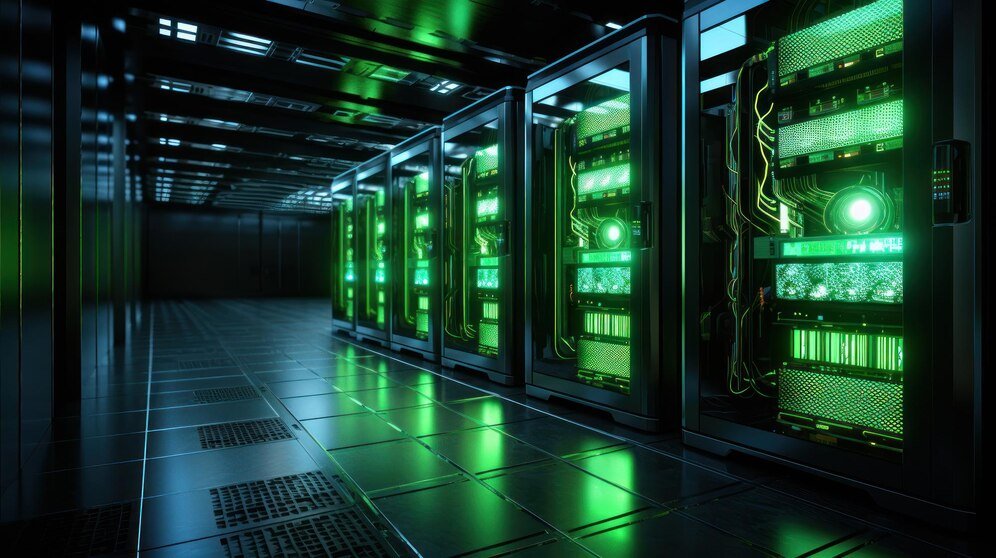
Sustainable Data Centers: Designing for Efficiency and Environmental Responsibility
In today’s digital age, data centers are the backbone of our interconnected world, powering everything from online shopping and social media to scientific research and financial transactions. But this reliance on data comes at a cost. Data centers consume vast amounts of energy and resources, contributing to greenhouse gas emissions and environmental concerns. That’s where sustainable data center design comes in. By integrating innovative technologies and environmentally conscious practices, data center engineering is paving the way for a more sustainable and responsible digital future. This article will explore the key principles and strategies behind sustainable data center design, highlighting how it can minimize environmental impact while maximizing efficiency and performance.
The Growing Need for Sustainable Data Centers
Environmental Impact of Traditional Data Centers
Traditional data centers are often energy-intensive, consuming vast amounts of electricity for powering servers, cooling systems, and other infrastructure. This high energy consumption translates to significant greenhouse gas emissions, contributing to climate change and other environmental problems. Moreover, data centers require substantial water resources for cooling, and their electronic waste can pose environmental hazards if not properly managed.
Rising Demand for Data
As our reliance on digital technologies grows, so does the demand for data storage and processing. This means more data centers and an even greater environmental impact if sustainability is not prioritized. The increasing number of connected devices, the rise of cloud computing, and the growing popularity of data-intensive applications like artificial intelligence and machine learning are all driving the need for more sustainable data center solutions.
The Role of Sustainability
Sustainable data center design addresses these challenges by prioritizing energy efficiency, water conservation, waste reduction, and the use of renewable energy sources. It’s about creating data centers that meet the growing demands of the digital age while minimizing their environmental footprint and contributing to a more sustainable future.
Key Principles of Sustainable Data Center Design
Energy Efficiency
Energy efficiency is the cornerstone of sustainable data center design. It involves optimizing every aspect of the data center’s operation to minimize energy consumption. This includes using energy-efficient servers and storage devices, implementing intelligent power management systems, and optimizing cooling systems for maximum efficiency.
Water Conservation
Water is a critical resource for data center cooling, but it’s also a resource that’s becoming increasingly scarce in many parts of the world. Sustainable data centers prioritize water conservation through the use of innovative cooling technologies that minimize water consumption. These technologies include free air cooling, which utilizes outside air for cooling when conditions are favorable, and evaporative cooling, which uses the evaporation of water to cool the air.
Waste Reduction
Data centers generate a significant amount of electronic waste, including servers, storage devices, and other hardware. Sustainable data center design emphasizes waste reduction through responsible e-waste management practices, such as recycling and repurposing old equipment.
Renewable Energy
The use of renewable energy sources, such as solar and wind power, is another key principle of sustainable data center design. By powering data centers with renewable energy, we can significantly reduce their reliance on fossil fuels and minimize their carbon footprint.
Implementing Sustainable Strategies
Site Selection
The location of a data center plays a crucial role in its sustainability. Choosing a site with access to renewable energy sources, favorable climates for free air cooling, and proximity to water resources can significantly reduce the data center’s environmental impact. Landscape architecture services can be instrumental in selecting and designing sustainable sites that integrate seamlessly with the surrounding environment.
Building Design
The design of the data center building itself is another important factor in sustainability. Green building practices, such as using sustainable building materials, optimizing natural lighting, and implementing green roofs, can all contribute to a more environmentally friendly data center.
Cooling Technologies
As mentioned earlier, innovative cooling technologies are essential for minimizing energy and water consumption in data centers. Free air cooling, liquid cooling, and evaporative cooling are all examples of sustainable cooling solutions that can significantly reduce a data center’s environmental footprint.
Waste Management
Implementing a comprehensive waste management plan is crucial for minimizing the environmental impact of electronic waste. This includes recycling and repurposing old equipment, as well as responsibly disposing of hazardous materials.
Monitoring and Optimization
Continuous monitoring and optimization are essential for ensuring the ongoing sustainability of a data center. By tracking energy consumption, water usage, and other metrics, data center operators can identify areas for improvement and implement strategies to further reduce their environmental impact.
The Benefits of Sustainable Data Centers
Reduced Operating Costs
Sustainable data centers are not only good for the environment but also good for business. By minimizing energy and water consumption, data center operators can significantly reduce their operating costs, leading to greater profitability and a stronger bottom line.
Enhanced Brand Reputation
In today’s environmentally conscious world, consumers and investors are increasingly drawn to companies that demonstrate a commitment to sustainability. By investing in sustainable data centers, companies can enhance their brand reputation and attract customers and investors who value environmental responsibility.
Compliance with Regulations
Many governments and organizations are implementing regulations and standards to promote sustainable data center practices. By designing and operating data centers in accordance with these regulations, companies can ensure compliance and avoid potential penalties. These regulations may include energy efficiency standards, water conservation requirements, and e-waste management guidelines.
Conclusion
Sustainable data centers are essential for meeting the growing demands of the digital age while minimizing our environmental impact. By prioritizing energy efficiency, water conservation, waste reduction, and the use of renewable energy sources, data center engineering, often in collaboration with environmental engineering services, is creating a more sustainable and responsible digital future. From site selection and building design to cooling technologies and waste management, every aspect of data center design and operation can be optimized for sustainability. The benefits of sustainable data centers are numerous, including reduced operating costs, enhanced brand reputation, and compliance with regulations. As we continue to rely on data-driven technologies, investing in sustainable data centers is not only an environmental imperative but also a smart business decision.
