Influence of Film Photography in Architectural Concept Development
When you think of classic film photography, you tend to think of artsy people with cigars in smoky rooms — maybe architectural concept development isn’t the first thing that comes to mind. However, photography and architecture have a deep connection — both with exterior and interior design. There’s no way to develop concepts in architecture without some visual storytelling. You need a sense of space and a way to bring your ideas to life. That’s why photography is deeply rooted in spatial design. Of course, most professionals use digital photography for that sort of thing these days. Film photography is viewed as outdated and impractical. And, if we’re being realistic, in many ways, it is. Still, many architects resort to film photography for various reasons.
Creative Uses for Old Cameras
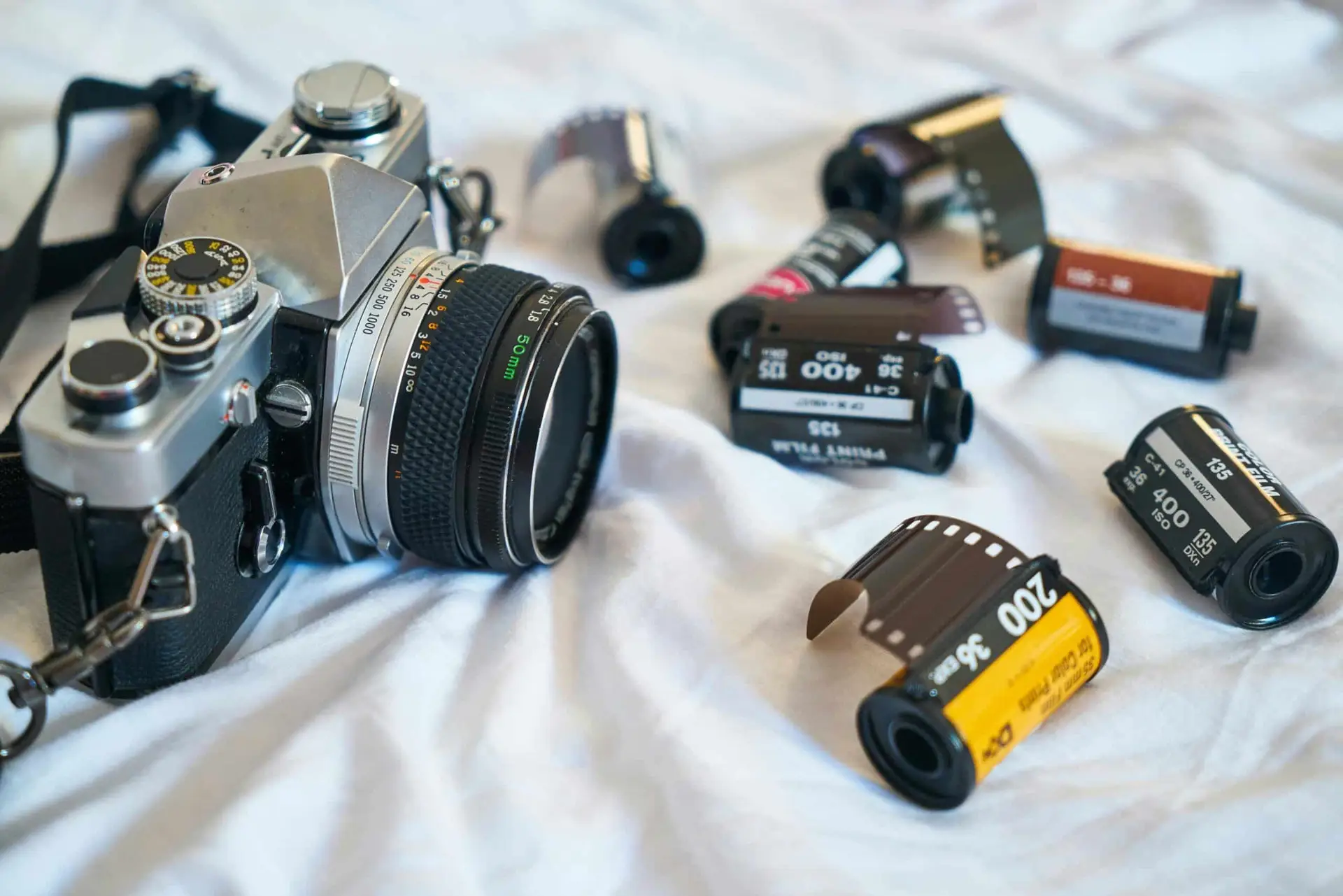
Yes, old film cameras are all the rage. But they’re not only used by hipsters who want their photos to have a classic, vintage look. People working in architectural design are increasingly using film cameras for a fresh, raw perspective on their work.
There are many reasons for this — with some architects, it’s just a personal aesthetic choice. But for many, the process of creating film photographs brings something practical to the table. It’s a more deliberate process, which forces you to think more intentionally about the subject of your photos.
With a digital camera, you can manipulate and edit your photo in powerful ways — even on the camera itself. And you can do it within a few seconds of taking the photo. Simply put, you have complete power over the end result.
Architecture is different, and so is film photography. With the latter, you need to think more about the composition of your photo before taking it. The whole process requires more patience than a digital camera’s simple but less satisfying snap. That’s one of the reasons why architectural concept development has become one of the many creative uses for old cameras that aren’t mainstream anymore.
When architects develop a concept, they keenly observe other buildings and their previous work. And film photography forces them to engage with their surroundings more deeply. Plus, the resulting images capture buildings in a rawer form.
Other Creative Uses
There are plenty of creative photos of architecture that you can’t make with a digital camera — or at least, you can’t make them as easily or genuinely. Architects use these creative photography methods in architectural concept design to get a fresh take on a building. They appreciate the way film photography can make them view an existing building in a new light.
Take pinhole photography as an example. It’s a lens-free photograph with a tiny aperture, producing much softer images. In architecture, the resulting photos can be useful because they can highlight shadows and form in interesting ways. Sometimes, these fresh takes give architects ideas while developing future design trends.
This is another example of how film photography removes some of your control over the end result. However, this type of unpredictability can spark creativity in architecture.
In this field, architects perform all kinds of interesting stunts with film photography to capture lightning in a bottle. Sometimes, they intentionally use expired film stock, which often produces aged or cloudy images—creating a dreamlike quality you can’t achieve with digital photography.
Or rather, you could — but it would be a deliberate manipulation of the image on your part. This way, it happens naturally and half-randomly. This natural aspect of film photography is also essential for material studies in architecture.
Film stock lets architects capture how light interacts with different materials more authentically than digital photography. Because of this, many architects prefer to be influenced by film photos rather than digital renders and images.
Historical Perspective
To understand the influence of film photography in architectural concept development, you need to look at more than the modern use of film in this discipline.
Before the rise of digital photography, film was the primary (or rather, only) medium architects had available. Without film cameras, analyzing existing structures, documenting them, and devising creative solutions were impossible.
That’s why influential photographers used to wield influence not just in their domain but in architecture as well. Ezra Stoller and Julius Shulman actually contributed to the architectural discourse of the 20th century with their black-and-white compositions. In some ways, you could even say that they helped define it.
Thanks to them, architects started thinking about design from a new perspective. Their photos highlighted the importance of contrast and spatial relationships in architecture. This was also useful for
Modernism and Photography
If you’re looking for examples of how film photography influenced architects, look no further than the modernist movement. There, photography was crucial for promoting and showcasing new styles.
In many ways, mid-century architecture’s minimalism and clean lines stood out more on a magazine page than in real life. And that’s why photographers who documented brutalism or the Bauhaus movement contributed to their rising popularity in real time. They changed the cultural zeitgeist by making those constructions interesting and inspiring to the general population. As a result, they cemented them as influences on future designers.
Film photography was also useful for site analysis. Large cameras were used on construction sites to capture photos of cityscapes and individual constructions with amazing detail. For years, this was the only reference material future architects would use.
Wrapping Up
There’s no getting around the fact that digital photography dominates architecture these days. However, the influence of film photography in architectural concept development still exists, and it’s still strong.
Film gives architects fresh takes on everything from materiality to composition and space, which is why old cameras will always be used creatively in this field. Plus, there’s something enchanting about the aesthetics of analog photography. It’s hard to tell whether it’s unpredictable or the charming imprecision of old photos. Whatever it is, it will give film photography a place in the architectural canon for years to come.
