How to Prevent Mold Growth After Water Damage
Water damage in your home, whether from a burst pipe, flooding, or a leaky roof, can create the perfect conditions for mold growth. Mold can start growing within 24 to 48 hours of water exposure, so it’s crucial to act quickly to prevent it. This article provides a comprehensive guide on how to prevent mold growth after water damage, helping you maintain a safe and healthy living environment.
1. Act Quickly
The key to preventing mold growth is to address water damage as soon as possible. The longer water sits, the greater the risk of mold development. Here are immediate steps to take:
- Turn off the water source: If the water damage is due to a burst pipe or leak, turn off the water supply to stop further flooding.
- Disconnect power: If water is near electrical outlets or appliances, turn off the power to the affected area to avoid electrical hazards.
- Remove standing water: Use a wet/dry vacuum, mop, or towels to remove as much standing water as possible.
2. Dry the Affected Area
Drying the affected area thoroughly is essential to prevent mold growth. Use the following methods to speed up the drying process:
- Use fans: Set up fans to circulate air and help dry out wet areas. Place them strategically to direct airflow across wet surfaces.
- Dehumidifiers: Dehumidifiers remove moisture from the air, helping to dry out the area more quickly. Place dehumidifiers in the affected rooms and empty the water collection reservoir regularly.
- Open windows and doors: If weather permits, open windows and doors to promote ventilation and air circulation. This helps to reduce humidity levels and dry out the space.
3. Remove Damaged Materials
Porous materials such as carpets, drywall, and insulation can absorb water and provide a breeding ground for mold. It’s important to remove and properly dispose of damaged materials:
- Carpets and rugs: Pull up and discard water-soaked carpets and rugs. Depending on the extent of the damage, you may need to replace the padding as well.
- Drywall and insulation: Cut out and remove sections of drywall and insulation that have been saturated with water. Mold can grow behind walls, so it’s important to inspect these areas thoroughly.
- Upholstered furniture: If upholstered furniture has been soaked, it may be difficult to salvage. Consider discarding water-damaged furniture to prevent mold growth.
4. Clean and Disinfect
After removing water and damaged materials, it’s important to clean and disinfect the affected area to kill any mold spores and prevent further growth. Use the following cleaning solutions:
- Soap and water: For non-porous surfaces such as tile, metal, and glass, clean with a mixture of soap and water.
- Bleach solution: Use a bleach solution (1 cup of bleach to 1 gallon of water) to disinfect hard surfaces and kill mold spores. Be sure to wear gloves and proper ventilation when using bleach.
- Vinegar and hydrogen peroxide: Vinegar and hydrogen peroxide are effective natural disinfectants. Spray the affected area with undiluted white vinegar or 3% hydrogen peroxide and let it sit for an hour before wiping clean.
5. Prevent Future Moisture Issues
Preventing future moisture issues is crucial for long-term mold prevention. Take the following steps to address potential sources of moisture:
- Fix leaks: Repair any leaks in your roof, plumbing, or foundation to prevent water from entering your home.
- Improve drainage: Ensure proper drainage around your home to direct water away from the foundation. Clean gutters and downspouts regularly to prevent water buildup.
- Ventilation: Improve ventilation in areas prone to moisture, such as bathrooms, kitchens, and basements. Use exhaust fans and ensure proper airflow.
- Monitor humidity levels: Keep indoor humidity levels below 60%. Use a hygrometer to measure humidity and dehumidifiers to maintain optimal levels.
6. Monitor for Signs of Mold
After addressing water damage, it’s important to monitor the affected areas for any signs of mold growth. Look for the following indicators:
- Visible mold: Mold can appear as black, green, or white spots on walls, ceilings, and other surfaces.
- Musty odor: A persistent musty smell is often a sign of mold growth, even if you can’t see it.
- Health symptoms: If you or your family members experience allergic reactions, respiratory issues, or other health symptoms, it may be a sign of mold exposure.
7. Seek Professional Help
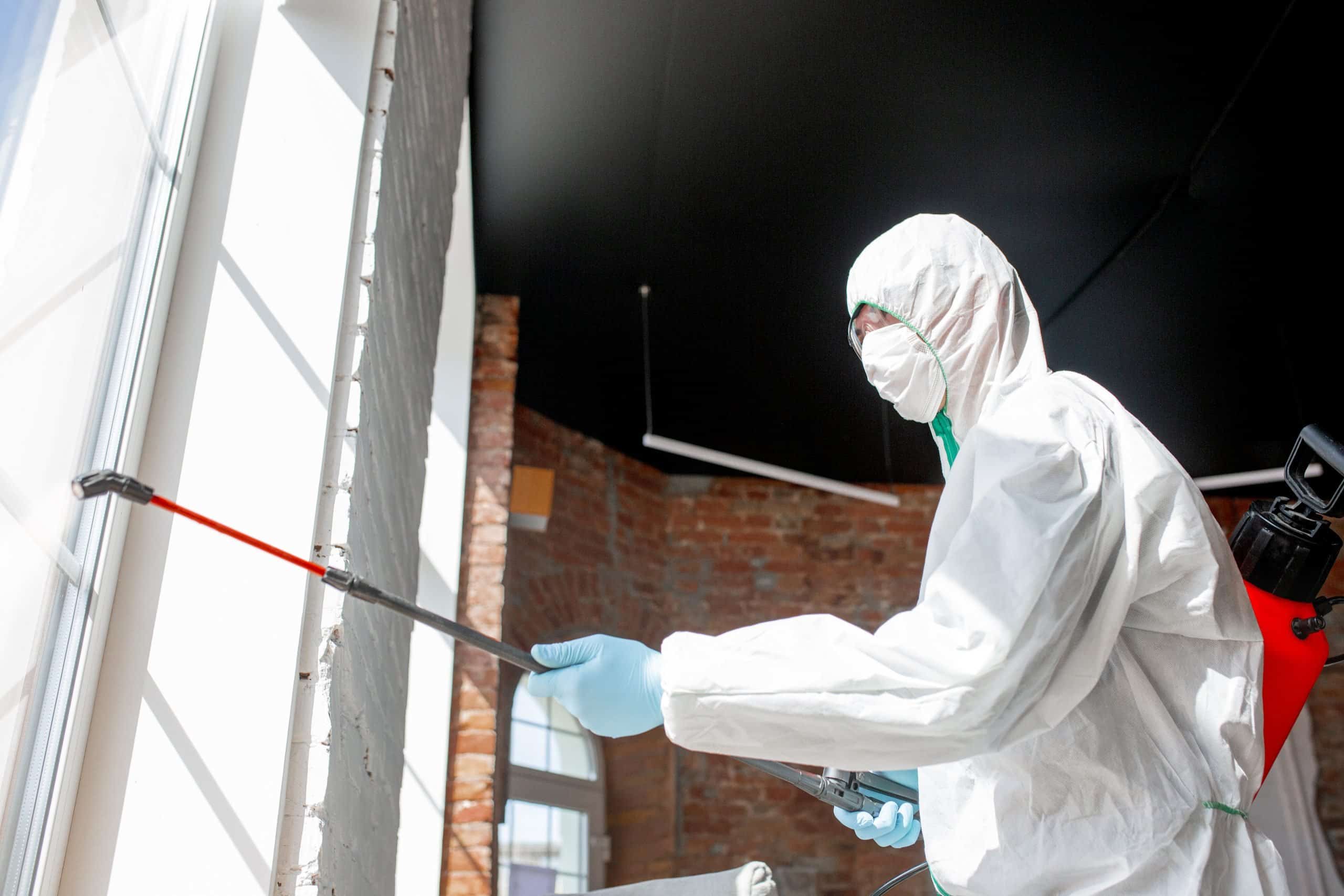
If the water damage is extensive or you’re unable to effectively dry and clean the affected area, it’s best to seek professional help. Professional water damage restoration and mold remediation services like insurance restoration contractors have the expertise and equipment to handle large-scale damage and ensure thorough mold prevention.
Conclusion
Preventing mold growth after water damage requires prompt action, thorough drying, and proper cleaning. By following the steps outlined in this guide, you can effectively address water damage and minimize the risk of mold growth. Remember to monitor the affected areas for any signs of mold and take preventive measures to protect your home from future moisture issues. If in doubt, don’t hesitate to seek professional assistance to ensure a safe and healthy living environment. Transform your living space with expert renovation services from NYCrestoration.com, where quality craftsmanship meets innovation in every project.
