How to Modernize an Older Home While Preserving Its Charm
Older homes carry a sense of history and craftsmanship that is often lost in modern construction. The intricate details, classic architecture, and quality materials used in older homes make them desirable, but they also come with challenges. Outdated layouts, aging systems, and inefficient fixtures can make an older home feel less functional in today’s world.
However, modernizing a home doesn’t mean stripping away its character. With thoughtful updates, homeowners can enhance their living space while preserving the charm that makes older homes unique.
In places like Des Moines, Iowa, where many homes reflect rich architectural history, maintaining this balance is especially important. A successful renovation blends modernization with historical integrity, ensuring that upgrades complement the home’s original design.
Whether it’s updating the bathroom, improving energy efficiency, or refinishing original flooring, each change should be intentional. By making strategic updates, homeowners can enjoy the best of both worlds—modern convenience without sacrificing the beauty and craftsmanship of the past.
Updating the Bathroom Without Losing Character
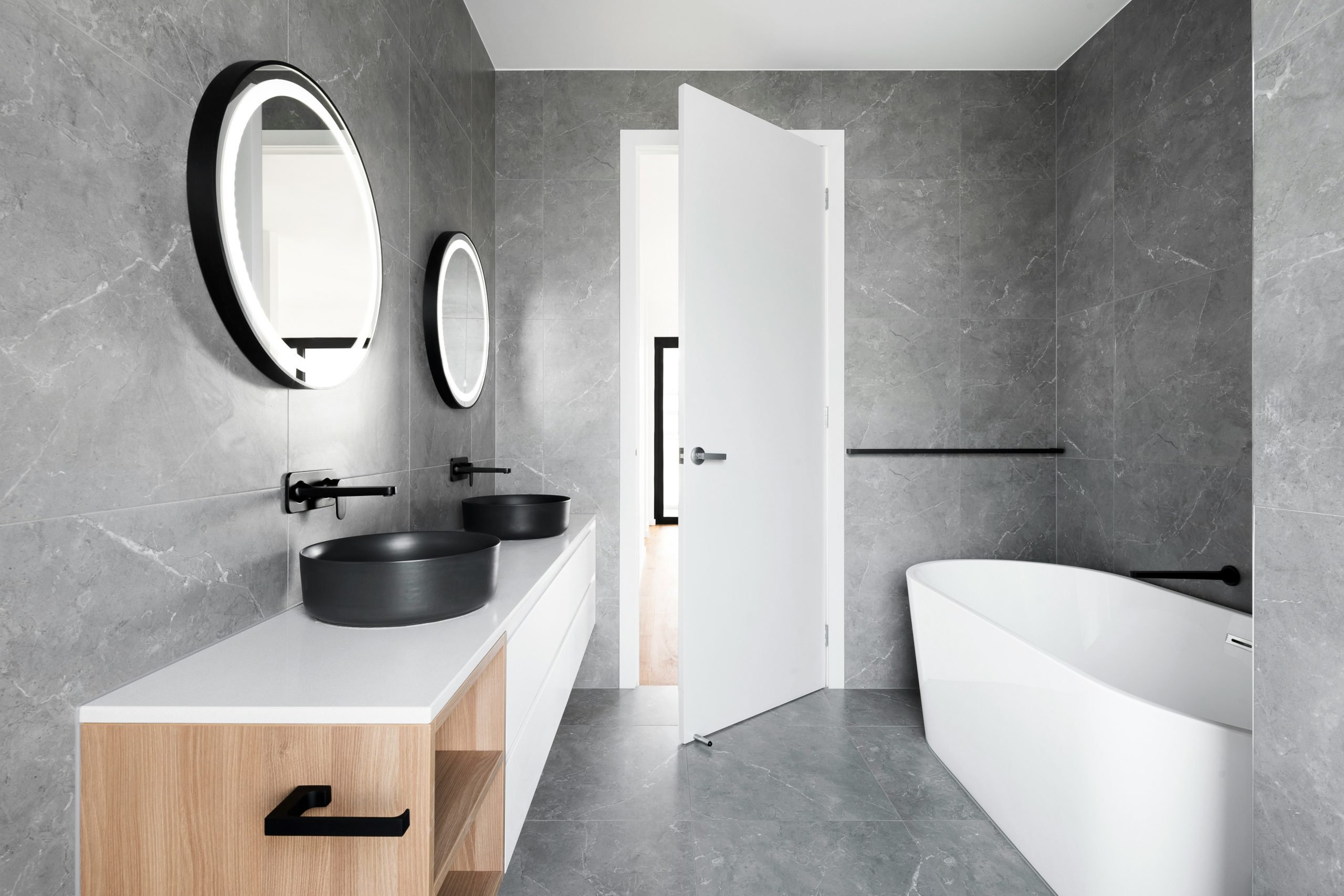
Bathrooms in older homes often feature vintage tiles, clawfoot tubs, and pedestal sinks that add to the home’s charm. However, these spaces may also have outdated plumbing, inefficient fixtures, and limited storage. Bringing a bathroom into the modern era while keeping its character intact requires a careful blend of preservation and innovation.
In the city of Des Moines bathroom remodeling is quite popular as many homeowners seek to update their homes while maintaining their original appeal. One way to achieve this is by upgrading plumbing and electrical systems while preserving key design elements.
For example, refinishing a vintage tub instead of replacing it or keeping the original tilework while installing modern fixtures can create a functional yet stylish space.
Another effective approach is incorporating contemporary elements that complement the home’s original features. Matte black or brushed brass fixtures can add a modern touch without feeling out of place in a classic setting. Additionally, installing energy-efficient lighting, heated floors, and water-saving toilets can improve functionality while respecting the home’s historical charm.
Enhancing Energy Efficiency While Maintaining Aesthetics
Older homes were not built with modern energy efficiency standards in mind. Single-pane windows, outdated insulation, and aging HVAC systems can lead to high energy costs. Fortunately, there are ways to enhance energy efficiency without compromising the home’s character.
One of the most significant improvements is upgrading insulation. Adding insulation to walls, attics, and basements can improve temperature regulation while reducing energy consumption. This upgrade remains unseen, preserving the home’s original aesthetic.
Windows are another crucial area to address. While replacing old windows with modern ones is an option, this can sometimes detract from the home’s character. A better approach is restoring the original windows by adding weather stripping or installing interior storm windows. This method retains the historical appeal while improving energy efficiency.
Additionally, upgrading the home’s heating and cooling system can make a substantial difference. High-efficiency furnaces, smart thermostats, and duct sealing can optimize energy use without requiring visible changes to the home’s appearance.
Preserving and Refinishing Original Hardwood Floors
Many older homes feature beautiful hardwood floors that have stood the test of time. While carpet or laminate flooring became popular in later decades, uncovering and restoring original hardwood can significantly enhance a home’s character.
Refinishing hardwood floors is a cost-effective way to modernize a space while maintaining its historical appeal. Sanding and applying a fresh stain can bring out the natural beauty of the wood while allowing homeowners to choose a finish that suits their style. Opting for a matte or satin finish instead of a high-gloss look can create a modern touch without overpowering the home’s classic elements.
For floors that have extensive wear or damage, replacing individual planks rather than the entire floor can help preserve authenticity. Matching new wood with the original grain and stain ensures continuity, making the update seamless.
Modernizing the Kitchen While Keeping Vintage Appeal
Kitchens are often the most challenging spaces to update in an older home. Many feature closed-off layouts, outdated appliances, and lack modern conveniences. However, modernizing a kitchen doesn’t have to mean completely gutting the space. Thoughtful updates can bring new life to the kitchen while maintaining its vintage appeal.
One of the most effective ways to modernize an older kitchen is by reconfiguring the layout. Opening up the space by removing non-load-bearing walls can create a more functional flow while keeping the original cabinetry and details intact. If the kitchen has solid wood cabinets, repainting them and updating hardware can provide a fresh look without sacrificing quality.
Installing modern appliances that blend with the home’s design is another key strategy. Stainless steel can sometimes feel too industrial in an older home, but panel-ready appliances that match cabinetry help create a seamless aesthetic.
Improving Lighting Without Disrupting the Home’s Character
Lighting plays a crucial role in modernizing an older home. Many historic houses were designed with smaller windows and fewer light fixtures, leading to dim interiors. Fortunately, updating lighting can enhance brightness while keeping the home’s character intact.
One effective approach is layering light sources. Instead of relying solely on overhead lighting, incorporating wall sconces, pendant lights, and under-cabinet lighting can create a warm, inviting atmosphere. Choosing fixtures with vintage-inspired designs ensures that the lighting complements the home’s original style.
Rewiring the home to accommodate modern lighting needs is another valuable update. Many older homes have outdated electrical systems that may not support contemporary fixtures.
Maintaining Curb Appeal While Updating the Exterior
The exterior of a home is the first impression visitors and passersby receive. While it’s essential to modernize certain elements for durability and efficiency, maintaining curb appeal is just as important.
One way to achieve this balance is by refreshing the home’s facade with a fresh coat of paint. Choosing historically accurate colors can enhance its appeal while giving it a well-maintained appearance. Additionally, restoring architectural details such as trim, shutters, and columns ensures the home retains its original charm.
Upgrading the front door is another impactful change. A solid wood door with modern security features can enhance both aesthetics and functionality. Complementing it with period-appropriate hardware ensures that the update blends seamlessly with the home’s style.
Landscaping also plays a significant role in modernizing the exterior. A mix of classic and contemporary plants, well-placed outdoor lighting, and a maintained walkway can enhance curb appeal without compromising the home’s historic character. Installing a durable aluminum fence is another excellent way to add a clean, modern edge while preserving the home’s timeless elegance. Its sleek design offers security and durability without overwhelming historic details.
Modernizing an older home requires a thoughtful approach that respects its history while integrating modern conveniences. From updating bathrooms and kitchens to improving energy efficiency and lighting, every change should be made with the home’s original charm in mind.
