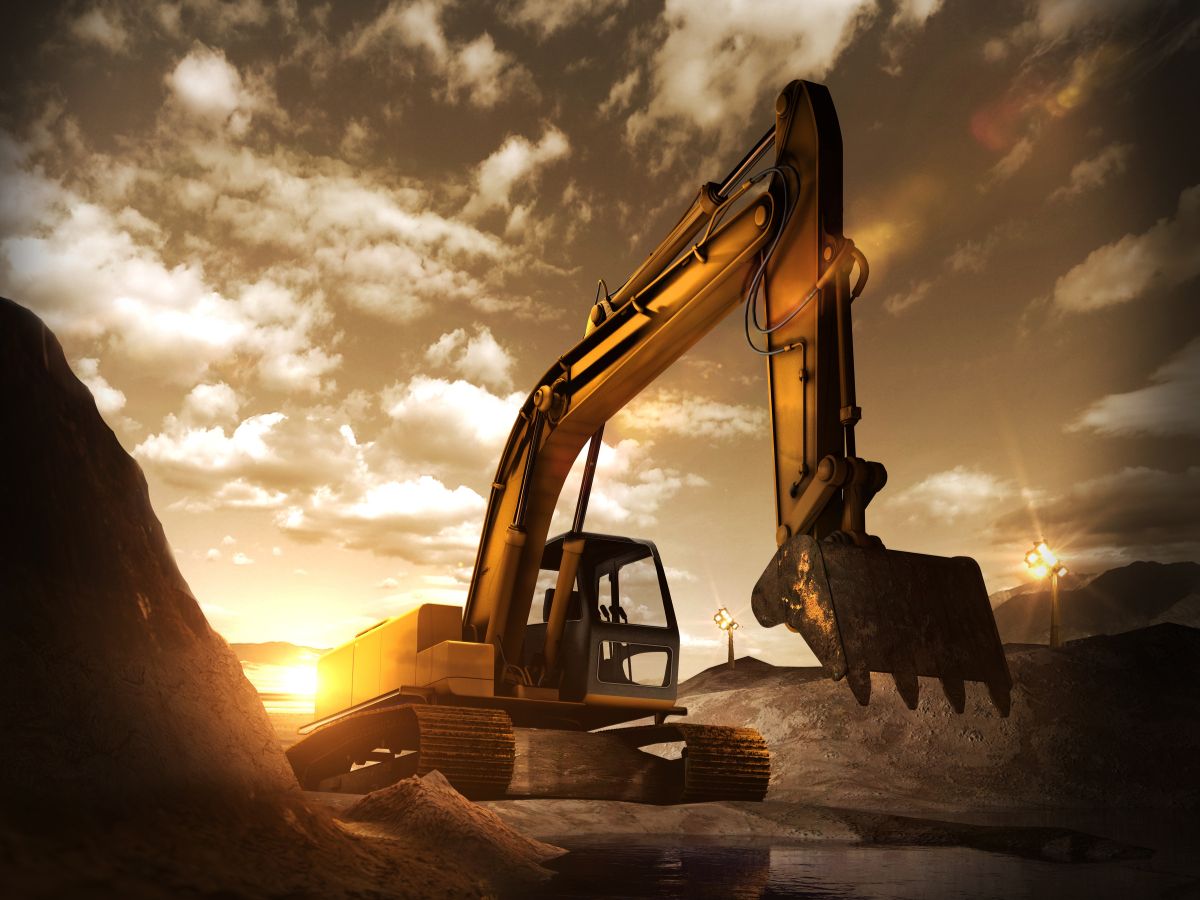
How Excavator Parts Are Powering Modern Construction
Excavation has long been a foundation of the construction process, but modern job sites look very different from those of the past. Today’s machines aren’t just bigger or faster; they are more precise and better suited to meet the demands of commercial projects. At the center of this transformation are advanced machinery parts that improve efficiency, support safer work environments, and contribute to more sustainable building practices. From sensor-driven systems to long-lasting undercarriage components, these upgrades are changing how excavation is planned and executed. For companies aiming to stay competitive, investing in the right parts is becoming a necessity. Manufacturers like We-Attach, which specialize in excavator parts, are part of this shift toward smarter, more adaptable equipment.
1. Smarter Excavators: GPS, Sensors, and AI in Action
Excavators are no longer limited to brute force. With built-in intelligence powered by GPS, sensors, and AI, modern machines are reshaping how crews operate on-site. GPS technology enables operators to dig with greater accuracy, reducing the need for manual rechecking and corrections. Embedded sensors gather live data, helping teams steer clear of underground utilities and monitor machine performance in real time.
AI-enhanced systems take things a step further by adjusting operations based on ground conditions, bucket loads, or project parameters. This supports productivity while reducing the chances of human error. Some companies are incorporating autonomous or semi-autonomous excavators for repetitive or hazardous tasks. These machines follow programmed routes and help maintain consistent results with fewer delays. The goal is not to replace experienced operators but to provide tools that improve speed and precision.
2. Cleaner Equipment: How Advanced Parts Support Sustainability
The push for environmentally responsible construction is influencing how excavation equipment is designed and used. A growing number of contractors are shifting to electric and hybrid excavators to lower emissions, reduce fuel costs, and meet stricter environmental standards. These machines also produce less noise, which is beneficial for work in cities and residential areas.
However, this shift involves more than just changing power sources. Advanced parts are essential for making sustainable operation possible. Lightweight materials reduce strain on engines, and energy-efficient hydraulics help lower fuel use. These components support longer operating cycles with less waste and fewer emissions.
Governments and industry organizations are enforcing tighter regulations on construction emissions. Working with updated parts that meet these standards helps businesses remain compliant and demonstrate a commitment to responsible practices. Companies in the supply chain, such as We-Attach, contribute by developing components that support these performance and compliance goals.
3. Safer Sites: Reducing Risk with Better Engineering
Excavation sites carry a certain level of risk, but recent advances in technology are making these environments safer. Modern machinery parts are designed to prevent problems before they occur say to NRIparts. Stronger frames reduce the chance of structural failure, and advanced control systems offer faster, more precise response times.
Real-time diagnostics have also become standard in many machines. These systems monitor heat levels, pressure, and wear, sending alerts before parts fail. This allows crews to act early and avoid malfunctions that could lead to injuries or job delays. Some models are also equipped with sensors that detect nearby obstacles or personnel and pause operation if needed.
These features help reduce the number of accidents on-site. For business owners, that means fewer disruptions, lower insurance costs, and a safer work environment for their teams.
4. Lower Costs: Long-Term Savings from Quality Parts
While high-quality parts may require a larger initial investment, they often provide greater value over time. Durable components are built to handle stress, which means fewer replacements and reduced maintenance. Keeping machines in service longer is especially important on projects with tight schedules.
Reliable parts also help prevent breakdowns that can delay entire operations. Fewer interruptions lead to more consistent timelines and lower labor costs related to idle crews or emergency repairs. In many cases, modern parts improve fuel efficiency by reducing internal resistance and wear, helping companies cut operating expenses further.
With a focus on reliability and longevity, manufacturers like We-Attach are part of the broader trend toward supporting construction businesses through better-engineered components.
5. What’s Next: IoT and Machine Learning in Excavation
The next generation of excavation technology is already emerging. More machines and components are being connected through Internet of Things (IoT) platforms, which allow real-time monitoring and adjustments. These smart systems support predictive maintenance, minimize downtime, and provide project teams with better data for decision-making.
Machine learning is also playing a growing role. By analyzing past job site conditions and equipment behavior, systems can fine-tune performance settings automatically. This helps reduce material waste, conserve energy, and improve digging precision without constant operator input.
Looking ahead, businesses that stay informed and invest in smarter systems will be better prepared to adapt. Suppliers that specialize in component manufacturing, such as We-Attach, are continuing to evolve alongside the needs of the industry, contributing parts that reflect this technological shift.
6. Conclusion: Excavation Is Evolving—Stay Ready
Excavation is undergoing rapid change, and much of that progress is driven by more capable machinery parts. From intelligent controls and diagnostic systems to sustainable components and learning-based automation, today’s equipment does more than move dirt. It supports better project outcomes and long-term business value.
For construction companies, investing in advanced technology is no longer a luxury. It has become a key part of staying efficient, meeting client expectations, and remaining relevant in a fast-moving industry. The future of excavation is here, and it starts with the right parts.
