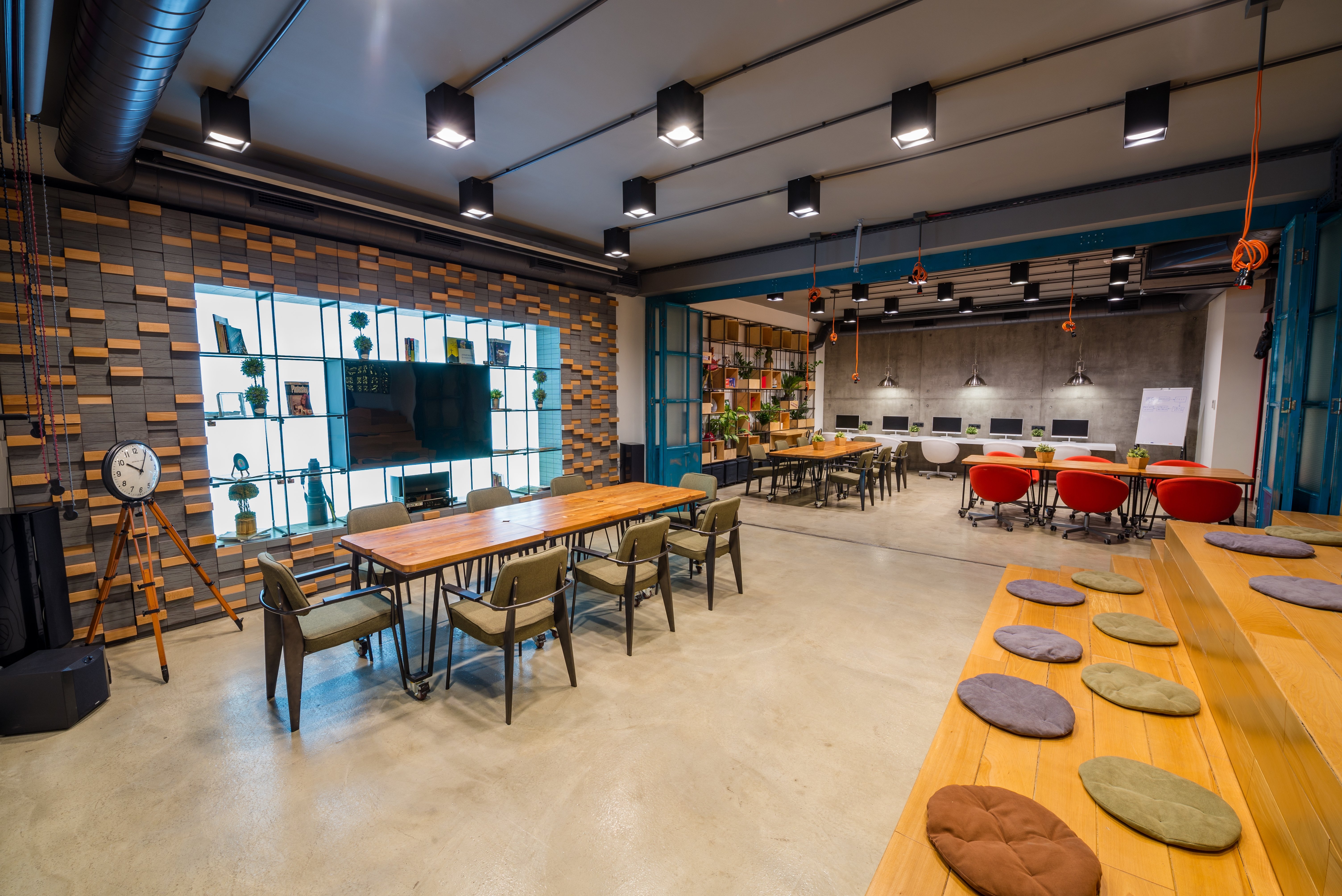
How Design Inspires Productivity: The Case of Co-Working Spaces in SG
With hybrid, remote, and flexible work arrangements becoming increasingly common, the way people work has evolved beyond the confines of traditional office spaces. Co-working spaces have emerged as a defining feature of this shift, providing shared, flexible work environments that are designed to accommodate individuals and teams from diverse professional backgrounds.
A co-working space in Singapore typically includes dedicated desks, private offices, and communal areas, often accompanied by amenities such as high-speed internet, meeting rooms, pantry access, and event spaces. Many coworking space Singapore locations are also in central business hubs or culturally rich neighbourhoods, promising accessibility and vibrancy.
As the demand for work-life integration grows, people are increasingly drawn to environments that are inspiring, comfortable, and adaptable to changing needs throughout the day. Here’s some insight on how the thoughtful design of co-working spaces in Singapore plays a critical role in enhancing productivity, motivation, and overall work satisfaction.
The Link Between Design and Productivity
The physical environment significantly influences an individual’s ability to focus and be productive. Factors such as lighting, acoustics, furniture ergonomics, temperature, and even wall colour can have a direct psychological impact. For instance, a workspace that is poorly lit, overly noisy, or cramped can lead to stress, fatigue, and reduced cognitive performance. In contrast, well-designed environments support mental clarity, energy, and motivation.
Beyond physical comfort, design also plays a subtle yet powerful role in shaping behavioural cues. The placement of furniture can encourage collaboration or promote privacy, depending on how it is arranged. Even the use of calming colours like green and blue has been linked to improved concentration. When these elements are thoughtfully integrated, they create a space where workers can operate at their best, whether they’re tackling deep work or engaging in spontaneous collaboration.
Key Design Features Driving Productivity in SG Co-Working Spaces
Open Layouts with Dedicated Zones
One of the hallmarks of effective co-working design is the use of open layouts. These spacious, airy environments promote a sense of openness and encourage casual interactions, which can spark collaboration and creativity. However, the most successful spaces also integrate dedicated zones to maintain a balance between social energy and the need for concentration.
For instance, open lounge areas with shared tables or sofa seating support informal conversations, networking, and brainstorming sessions. Meanwhile, phone booths, meeting rooms, and quiet zones are designed for focused work, calls, or confidential discussions. This separation helps reduce distractions and gives users the autonomy to choose a space that suits their current task.
Hot Desks and Flexible Seating
Another prominent feature of co-working design in Singapore is the provision of hot desks and flexible seating. This approach allows users to work from any available spot rather than being assigned a fixed desk. The ability to change workspaces throughout the day can refresh the mind and prevent monotony, which is particularly helpful for tasks that require creativity or strategic thinking.
Moreover, hot desking reduces the feeling of rigidity that often comes with traditional office setups. It fosters movement and interaction, which makes it easier for members to meet others, share ideas, or collaborate on short-term projects.
Natural Light and Biophilic Elements
Singapore’s co-working spaces are increasingly incorporating biophilic design, which is an approach that connects people to nature through elements like greenery, natural light, and organic materials.
Natural light, in particular, is one of the most effective ways to improve productivity and reduce eye strain and fatigue. Spaces with large windows or skylights help regulate circadian rhythms, keeping workers alert during the day. Indoor plants also add visual appeal, improve air quality, and create a calming atmosphere.
Moreover, the role of biophilic design in creating healthy workplaces is instrumental in promoting wellness, enhancing cognitive function, and reducing stress-related illnesses. This is particularly relevant in dense urban environments like Singapore, where nature may feel distant in everyday city life.
Breakout Areas and Quiet Pods
In today’s demanding work culture, opportunities for short breaks and mental resets are crucial. Recognising this, many co-working spaces in Singapore provide dedicated breakout areas equipped with lounge chairs, beanbags, reading nooks, or café-style counters. These are ideal spots for casual conversations, coffee breaks, or simply stepping away from the screen for a moment of rest.
Technology-Enabled Spaces
Given the demands of a digitally advanced nation like Singapore, technology is integral to workplace productivity. Co-working spaces here are typically equipped with high-speed fibre broadband, wireless printing, smart lighting, and plug-and-play setups to accommodate users with various devices.
A number of operators have also developed companion mobile apps that allow members to reserve desks, book meeting rooms, check event calendars, or contact support teams. These digital tools reduce friction and help members stay organised and efficient.
Singapore has a famousl innovation-driven work culture, and co-working spaces have become a blueprint for the future of work. At the core of their success lies thoughtful, intentional design that aligns with the evolving needs of professionals seeking flexibility, motivation, and purpose. Ultimately, in a city that never slows down, co-working spaces in Singapore are proving that the key to working better also involves how well those places are designed to inspire our best.
