How Architects and Engineers Use Die Cast Aluminum to Blend Beauty and Strength
Though it may not always be the center of attention, die cast aluminum is subtly changing the way we construct. It’s ideal for contemporary building projects that require both style and substance because it’s robust, lightweight, and extremely adaptable. However, how can engineers and architects use this material to blend structural integrity with aesthetic appeal? Let’s get started.
What is Die Cast Aluminum, Anyway?
If you’re wondering what die cast aluminum is, let’s break it down. Imagine a mold, like the one you’d use for baking, but bigger and more sophisticated. You heat aluminum until it’s molten, then pour it into the mold, where it cools and solidifies into a precise, strong shape. This process is called die-casting, and it’s how aluminum is molded into detailed components.
Why is this important? Die cast aluminum offers a great strength-to-weight ratio, is long-lasting, and resists corrosion. To put it simply, you get the durability of steel without the weight. This makes it ideal for everything from complex design elements that must be long-lasting and aesthetically pleasing to structural components in structures. In summary, die cast aluminum is a robust, useful material that is revolutionizing the construction industry.
Bringing the Beauty: Die Cast Aluminum in Architecture
Now for the fun part: design. Aluminum is not only practical, it’s beautiful. Architects love how flexible it is. Want a smooth, shiny finish for a modern look? Aluminum can do that. Looking for something more textured or matte? It can do that too.
Customization is one of die-casting’s greatest advantages. Aluminum may be used to create complex textures, unique shapes, and detailed patterns. This preserves durability while enabling architects to produce bold, imaginative designs. They may experiment with shapes and finishes that make a structure unique thanks to aluminum.
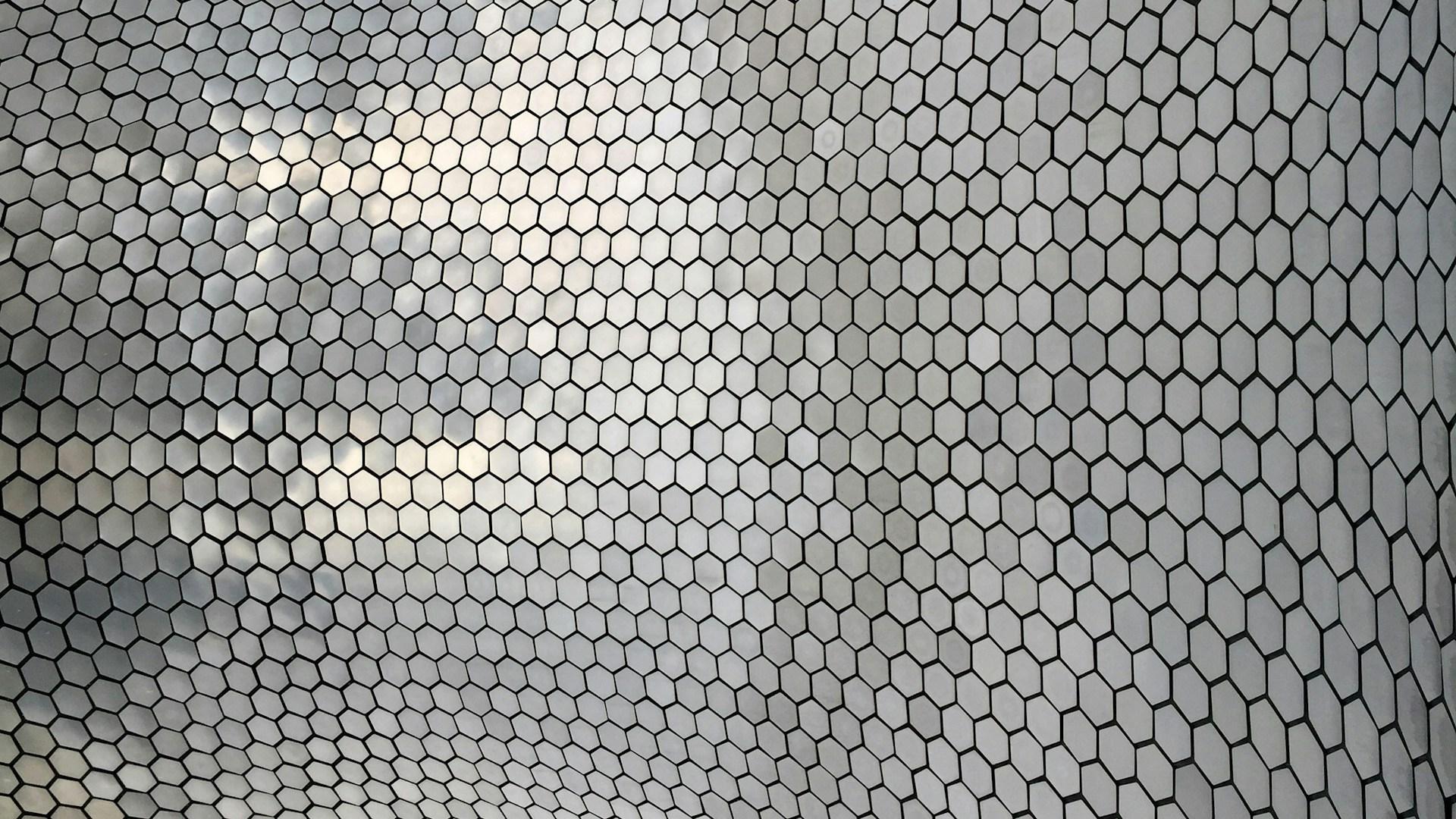
Imagine a building that attracts your eye from a distance. Up close, you can see the intricate patterns in the aluminum that give it character, while the building’s sleek, reflective surface shimmers in the sunlight. That’s how die-cast aluminum works. It enables architects to preserve utility while achieving visual complexity.
Strength Underneath It All: Die Cast Aluminum in Structural Design
Here’s where die cast aluminum really shines. While it’s known for its aesthetics, it’s just as impressive in terms of performance. Aluminum’s light weight and strength make it ideal for structural elements like beams, columns, and support brackets. Engineers love that aluminum components can bear heavy loads while keeping the overall weight of the structure light.
Why does weight matter? Lighter components mean easier transportation and faster assembly. This can lower costs and speed up the construction process. And if you’re building something like a high-rise, every pound counts. Aluminum lets you reduce the total weight of the building without sacrificing strength or safety.
Aluminum also holds up well over time. It’s resistant to corrosion, making it ideal for harsh environments, like coastal areas where salt and moisture can damage other materials. Aluminum stays strong and intact, even when faced with the elements.
Architects and Engineers: A Collaborative Dream Team
How can engineers and architects create these stunning, robust aluminum parts? It all comes down to teamwork. Architects contribute their vision, striving for eye-catching designs. Engineers make sure the design is safe, effective, and compliant by concentrating on the practical aspects.
Both sides must cooperate from the beginning when it comes to aluminum. A magnificent metal façade, for instance, may be the architect’s idea, but the engineer must make sure it can sustain the structure’s weight. This tight cooperation guarantees the completion of both the design and the functionality.
And here’s the kicker: die cast aluminum actually makes their job easier. It offers flexibility on both the design and structural sides, meaning what’s drawn on the blueprint can often be realized in real life without compromise. Aluminum adapts to meet both form and function, making it an architect’s and engineer’s best friend.
Looking Ahead: The Future of Die Cast Aluminum in Building Design
What is the future of die-cast aluminum in engineering and architecture? The future appears to be bright. The die casting technique keeps becoming better as technology develops, enabling more complex and accurate designs. Aluminum may find even more creative use in modular construction and high-tech facades.
Additionally, aluminum’s energy-efficient production processes and recyclability are making it even more appealing as the building sector shifts toward sustainability. It is a material that not only works well but also lessens the negative effects of construction on the environment.
Wrapping It Up: Why Die Cast Aluminum is a Game-Changer
Die cast aluminum is more than just a material; it’s a link between long-lasting function and beautiful design. It provides a variety of options that improve the efficiency, sustainability, and aesthetics of contemporary architecture, from designing eye-catching facades to constructing robust, lightweight structural components. When engineers and architects collaborate, the end product is a flawless balance of form and function that elevates any structure.
Therefore, consider the latent power of die cast aluminum the next time you pass a slick, shining skyscraper. It could be the unsung hero of contemporary architecture.
