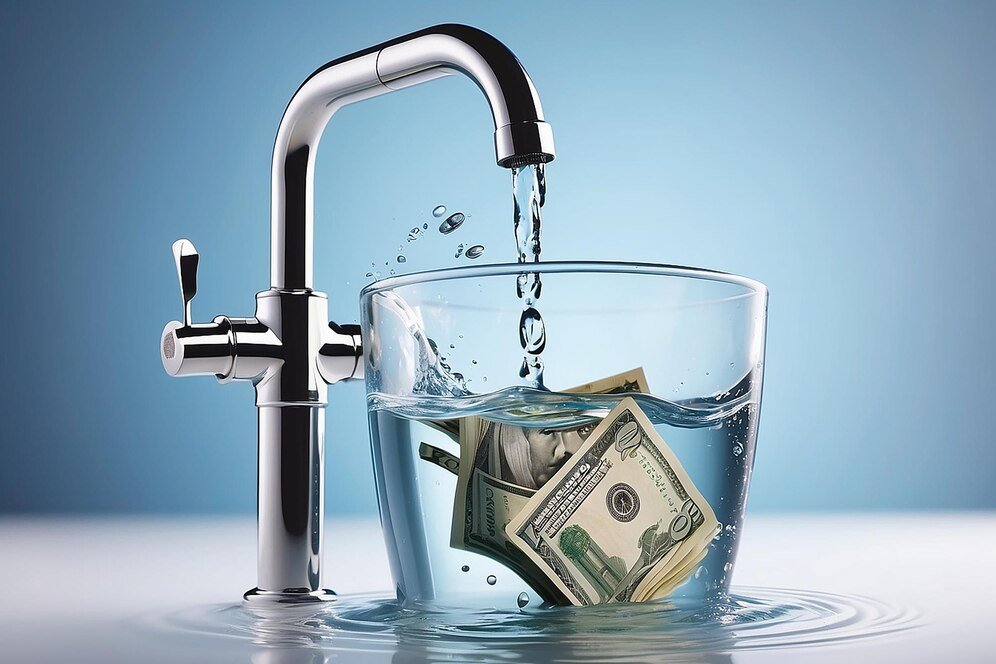
High Water Bills: How to Identify the Causes and Save Money on Your Water Usage
A high water bill can be frustrating and puzzling, especially when your water usage hasn’t changed. Even if you haven’t noticed any visible leaks or problems, a sudden spike in your water bill can signal an issue lurking behind the scenes. Whether it’s an unnoticed leak or inefficient water usage, identifying the cause of the increase can save you money. This article will walk you through the common causes of high water bills, practical tips to save on water usage, and how to deal with a high water bill no visible leak situation.
Understanding Your Water Bill
Before you start troubleshooting, it’s important to understand how your water bill works. Water utilities charge based on how much water you use, typically measured in gallons or cubic feet. Some areas use tiered pricing, meaning the more water you use, the more you pay per unit. A sudden spike in usage can significantly raise your water costs.
If you’ve noticed a high water bill no visible leak, it may be due to something other than increased usage, like hidden leaks or inefficiencies in your plumbing system. Understanding the billing structure is the first step in identifying the cause of your elevated bill.
Common Causes of High Water Bills
1. Leaky Faucets and Fixtures
One of the most common culprits behind high water bills is leaking faucets or fixtures. Even a small drip can waste gallons of water per day. A faucet that drips once per second wastes more than 3,000 gallons of water per year.
If you have a high water bill no visible leak, make sure to inspect every faucet, showerhead, and outdoor spigot in your home. Even minor leaks can accumulate quickly. Fixing or replacing the worn-out parts, such as washers and O-rings, can help conserve water.
2. Running Toilets
A constantly running toilet can waste hundreds of gallons of water daily without you noticing. The most common cause of this is a faulty flapper valve or a damaged fill valve. You might not notice the problem because it’s happening inside the tank.
If you’re dealing with a high water bill no visible leak, conduct a simple test: place a few drops of food coloring into the toilet tank. Wait 30 minutes to see if any color appears in the toilet bowl. If it does, you have a leak and should replace the flapper valve.
3. Hidden Leaks in Pipes
Sometimes, high water bills are the result of hidden leaks within your plumbing system. These leaks may not show up visibly inside the house, but they can be located underground or behind walls. If you suspect a hidden leak, monitoring your water meter is the best way to detect it.
Turn off all water sources in your home—no running water in the kitchen, bathrooms, or washing machine—and observe the water meter. If the meter continues to run even when no water is being used, you likely have a hidden leak.
4. Irrigation System Problems
Automatic sprinkler systems are convenient but can be prone to inefficiency. Leaky pipes, broken sprinkler heads, and improperly timed systems can lead to excessive water usage. Overwatering your lawn or garden can quickly increase your water bill.
Ensure that your irrigation system is set to water only when necessary, especially during periods of rainfall. Use a timer to prevent over-watering, and check your system for leaks or malfunctions regularly.
5. Household Appliances
Washing machines, dishwashers, and water heaters all use a lot of water. If these appliances are old or malfunctioning, they could be wasting more water than they should. For example, a washing machine with a leaky valve can use water continuously, adding up to an unexpectedly high water bill.
Upgrading to energy-efficient, water-saving appliances can cut your water consumption significantly. Consider switching to high-efficiency models that use less water per cycle.
6. Increased Water Usage
Sometimes, high water bills are simply the result of using more water. This can happen during seasonal changes when lawn care becomes more frequent, or during the holidays when you may have extra guests.
If your water habits have changed recently, like doing more laundry or running more baths, this could explain the increase. Keep track of your water consumption by checking your water meter regularly to see if it aligns with your expectations.
7. Faulty Water Softening System
If you have a water softener, a malfunctioning system could lead to higher water usage. These systems typically regenerate by using a large amount of water. If your water softener is running unnecessarily or too frequently, it could contribute to a spike in your bill.
Check the settings on your water softener and ensure that it is operating correctly. If the system is older, it might be time to replace it with a more water-efficient model.
8. Seasonal Variations
Water usage naturally increases in warmer months due to lawn watering, pool refilling, and outdoor activities. A sudden increase in your bill may just be a result of the seasonal change.
In summer, try to use water more efficiently. Water your lawn early in the morning or late in the evening to reduce evaporation, and avoid watering your garden on windy days. Consider installing a rainwater collection system to help minimize reliance on tap water.
How to Reduce Your Water Bill
Once you’ve identified the cause of your high water bill, it’s time to take action. Below are practical tips to help you save on water and reduce your bill.
1. Fix Leaks Immediately
Whether it’s a dripping faucet or a running toilet, repairing leaks as soon as possible will help prevent waste and lower your water bill. Even a small drip can waste significant amounts of water over time.
2. Install Low-Flow Fixtures
Upgrading your fixtures to low-flow faucets, showerheads, and toilets can drastically reduce your water consumption. These fixtures maintain water pressure while using less water. Installing low-flow models can save thousands of gallons per year, helping you cut down on costs.
3. Maintain Your Irrigation System
Make sure your irrigation system is properly maintained. Check for leaks, adjust the water timing to avoid over-watering, and ensure that sprinkler heads are aimed at the lawn, not the sidewalk or driveway. You can also invest in a smart irrigation system that adjusts watering based on weather conditions.
4. Use Water-Efficient Appliances
Washing machines and dishwashers consume large amounts of water. If your appliances are old, consider upgrading to newer, water-efficient models. These appliances use less water per cycle, which can lower your water consumption over time.
5. Monitor Your Water Meter
Regularly check your water meter to monitor your water usage. If you notice a sudden spike, investigate the cause immediately. This will help you identify leaks early and avoid inflated bills.
6. Shorten Showers
Reducing the time you spend in the shower can lead to significant water savings. Aim for shorter showers or install a water-saving showerhead that reduces flow without sacrificing performance.
7. Turn Off Water When Not in Use
Make a habit of turning off the water when it’s not needed, such as while brushing your teeth, washing dishes, or shaving. This simple action can reduce unnecessary water usage throughout the day.
8. Use a Dual-Flush Toilet
A dual-flush toilet gives you the option to use a smaller flush for liquid waste and a larger flush for solid waste. This helps to conserve water with each flush, cutting down on overall usage.
9. Check for Hidden Leaks
If you have a high water bill no visible leak, inspect less obvious areas, such as crawl spaces, under sinks, or along the foundation of your home. You can also use a professional plumber to conduct a thorough inspection of your plumbing system.
10. Collect Rainwater
Consider setting up a rainwater collection system to reduce your dependency on municipal water. Rainwater is ideal for watering your garden and lawn, and collecting it can lower your overall water consumption.
When to Call a Professional
If you’ve taken all the necessary steps but still can’t find the cause of your high water bill, it might be time to call a professional plumber. They can use advanced tools to detect leaks that are hidden deep within your pipes. A plumber can also inspect your entire plumbing system to ensure there are no other issues affecting your water consumption.
Conclusion
A high water bill no visible leak can be alarming, but with the right knowledge and proactive measures, you can address the root cause and significantly reduce your water usage. Whether it’s fixing leaks, upgrading appliances, or adjusting water habits, there are plenty of ways to save on your water bill.
By staying vigilant and taking action to improve your water efficiency, you can not only reduce your monthly costs but also contribute to conservation efforts. Every little change counts, so start making adjustments today to see the difference tomorrow.
