8 Ways to Reduce Your Carbon Footprint at Home
Have you ever wondered how your daily actions impact the environment? The choices we make at home can either harm or help our planet. With climate change becoming a pressing issue, it’s more important than ever to think about how we can minimize our carbon footprint. Small adjustments in our routines can lead to big changes over time.
In this blog, we will share practical ways to reduce your carbon footprint at home, helping you live more sustainably while saving money.
1. Switch to Energy-Efficient Lighting
Lighting is an essential part of every home, but traditional light bulbs consume a lot of energy. Switching to LED bulbs can significantly reduce your energy usage. LED lights last longer and use up to 75% less energy compared to standard incandescent bulbs. This small change can make a big difference over time.
Moreover, take advantage of natural light during the day. Open your curtains and let sunlight brighten your rooms instead of relying on artificial lighting. By making these simple changes, you reduce your electricity bill and contribute to a healthier planet.
2. Invest in Renewable Energy Solutions
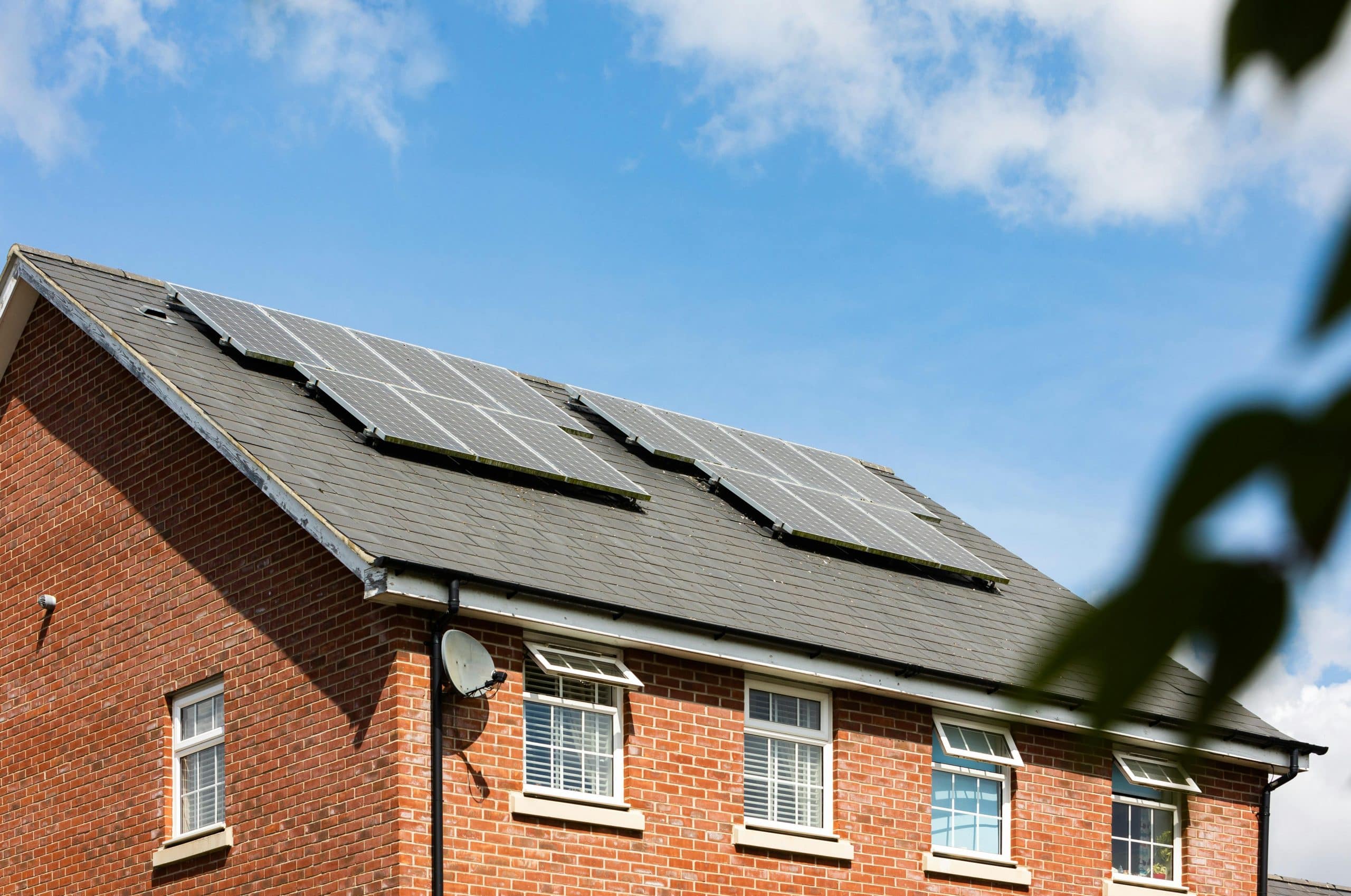
One of the best ways to reduce your carbon footprint is by using renewable energy. Solar panels, for example, provide a clean and sustainable source of energy for your home. Many people partner with a solar company to install these panels, which help lower electricity costs and reduce reliance on fossil fuels. Solar energy is not only better for the environment but also a smart financial investment over time.
You don’t need to install an entire solar array to start. Some homeowners opt for smaller solar-powered devices like outdoor lights or water heaters. These smaller steps can pave the way for larger changes, making it easier to adopt renewable energy solutions in the future.
3. Cut Down on Water Waste
Water is a precious resource, yet it is often overused at home. Simple habits like turning off the faucet while brushing your teeth can save gallons of water each day. Fixing leaks promptly is another easy way to prevent unnecessary waste. Even a small drip can waste a surprising amount of water over time.
Installing low-flow fixtures in your home is another excellent way to save water. These fixtures use less water while maintaining good pressure, making them an efficient choice for eco-conscious households. By being mindful of your water usage, you contribute to conserving a vital resource for future generations.
4. Reduce, Reuse, and Recycle
Adopting the three Rs—reduce, reuse, and recycle—can help lower your carbon footprint significantly. Start by reducing the amount of waste your household generates. Avoid single-use plastics and choose reusable alternatives, like stainless steel water bottles or cloth shopping bags.
Recycling is another critical step. Separate paper, plastic, glass, and metal items so they can be processed correctly. Many communities provide curbside recycling programs, making it easy to get started. When you prioritize reusing items, like repurposing jars or donating old clothes, you reduce the need for new resources and cut down on waste.
5. Embrace Energy-Saving Habits
Making small changes in your daily routines can lead to noticeable energy savings. For instance, unplug electronics and chargers when they’re not in use. Devices left plugged in continue to draw power, even when turned off, which contributes to unnecessary energy consumption.
Another simple habit is washing clothes in cold water. Most of the energy that washing machines use goes toward heating water. By using cold water settings instead, you save energy without sacrificing cleanliness. Additionally, line-drying clothes instead of using a dryer is another effective way to save electricity.
6. Opt for Sustainable Food Choices
What you eat can also impact your carbon footprint. Start by reducing food waste at home. Plan your meals carefully, store food properly, and use leftovers creatively to minimize waste. Composting food scraps is another great way to recycle organic materials and reduce landfill waste.
Consider eating more plant-based meals. Producing meat requires significantly more resources than growing fruits, vegetables, and grains. While you don’t need to eliminate meat entirely, incorporating a few vegetarian meals each week can help reduce your environmental impact.
7. Improve Home Insulation
Heating and cooling account for a large portion of a household’s energy use. Improving your home’s insulation can make a big difference. Well-insulated walls, windows, and doors keep your home comfortable while reducing the need for energy-intensive heating and air conditioning.
Start by sealing gaps and cracks around windows and doors. Weatherstripping and caulking are affordable ways to prevent drafts. Upgrading to energy-efficient windows is another option for homeowners looking to make a long-term investment. By improving insulation, you not only save energy but also create a more comfortable living environment.
8. Support Local and Sustainable Products
The items you buy also contribute to your carbon footprint. Whenever possible, choose locally made and sustainably sourced products. Local goods require less transportation, which means fewer emissions. Supporting local businesses also strengthens your community and economy.
Look for products with minimal packaging or those made from recycled or biodegradable materials. Avoid fast fashion and opt for quality items that last longer. By being mindful of your purchases, you encourage sustainable practices and reduce waste in your home.
In conclusion, reducing your carbon footprint at home doesn’t have to be overwhelming. Small, meaningful changes can lead to a significant positive impact over time. Whether it’s switching to energy-efficient lighting or choosing sustainable products, every step counts. By adopting eco-friendly practices, you contribute to a healthier planet while improving your own quality of life. Take the first step today. Reflect on your habits, and consider how you can make your home more sustainable. Together, we can create a brighter future for generations to come.
