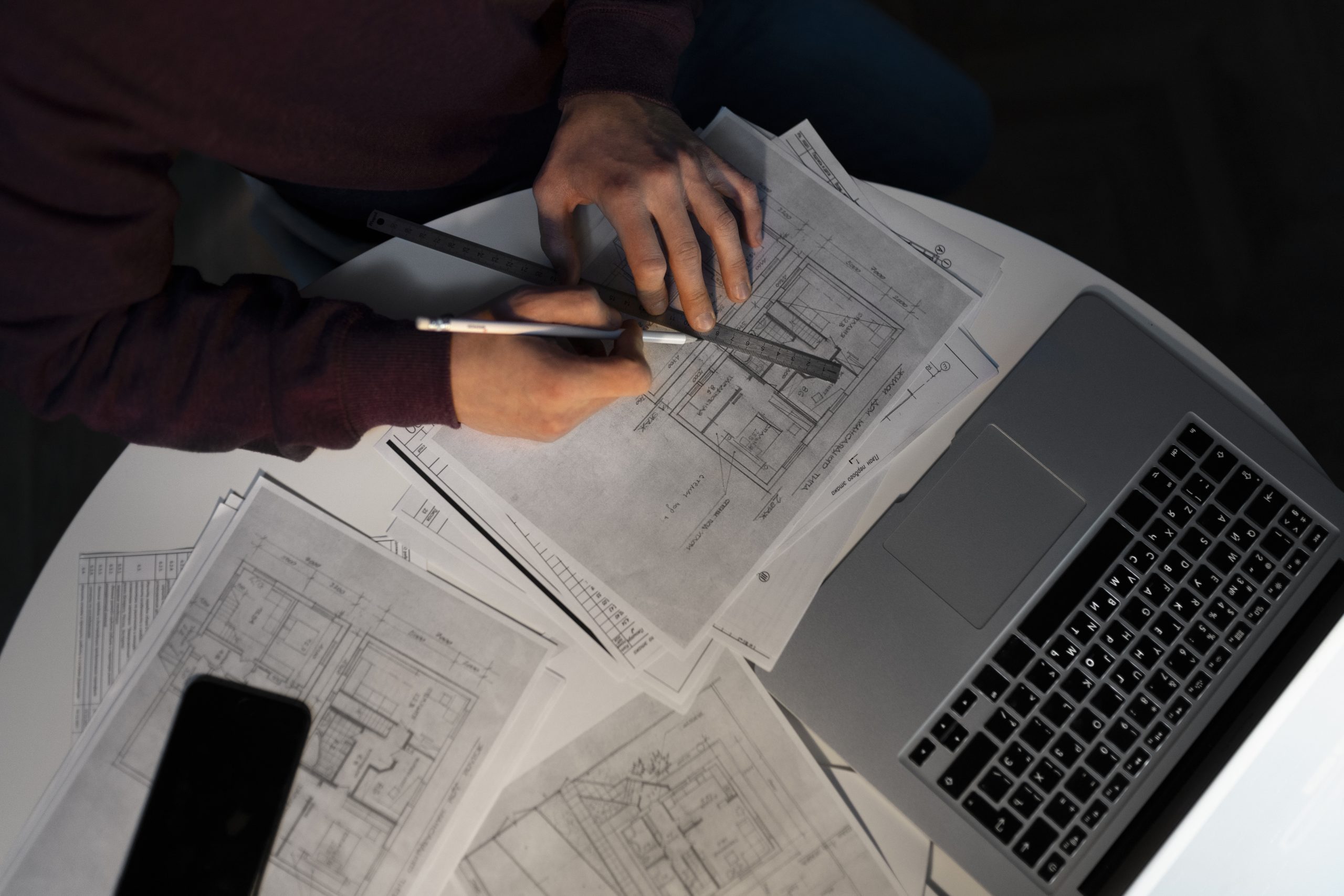
Essential Strategies to Prevent Structural Issues and Preserve Property Value
Maintaining the structural integrity of your property is critical for both safety and long-term value. Whether it is a residential home or a commercial building, structural problems can escalate quickly if left unchecked, leading to costly repairs and decreased market value. Property owners who adopt proactive strategies to identify potential issues, reinforce key components, and prevent damage can protect their investment while ensuring the safety and comfort of occupants. Implementing a structured maintenance and inspection plan is the foundation for preserving property value over time.
Regular Structural Inspections and Assessments
Routine inspections are one of the most effective ways to prevent major structural problems. Professional assessments help identify early warning signs that might otherwise go unnoticed. Key aspects of regular inspections include:
- Evaluating foundation condition for cracks or signs of settling
- Checking walls, floors, and ceilings for structural stress or deformation
- Inspecting roofing systems for leaks or damage that may affect structural stability
- Identifying moisture intrusion or water damage that can compromise materials
Documenting the condition of your property over time allows for early interventions and supports long-term planning. Regular assessments also provide evidence for insurance purposes and help maintain transparency when selling or leasing the property.
Effective Drainage and Moisture Control
Water is one of the most common causes of structural damage. Ensuring proper drainage around the property is critical to preventing foundation settlement and soil erosion. Installing gutters, downspouts, and drainage systems like French drains helps direct water away from the building. Proper landscaping design can also reduce the risk of water pooling near the foundation. Moisture control measures prevent issues such as mold, rot, and soil instability, all of which can weaken structural elements over time.
Maintaining Building Systems to Support Structural Integrity
Supporting systems within a building, such as plumbing, HVAC, and electrical systems, play a significant role in overall structural health. Leaking pipes can erode soil beneath foundations or cause wood rot, while malfunctioning HVAC systems can contribute to excess condensation and moisture accumulation. Regular inspections and maintenance of these systems prevent damage that can compromise the structure. A well-maintained building infrastructure not only protects structural components but also enhances operational efficiency and occupant comfort.
Foundation Underpinning and Reinforcement
Foundation underpinning is a critical strategy for properties experiencing settlement or soil instability. Underpinning involves reinforcing or extending the foundation to stabilize the building and prevent further movement. This technique is particularly necessary in older structures or in areas with shifting soil. Common methods include piering, slab reinforcement, and concrete underpinning.
A professional foundation underpinning ensures the building remains secure, supports additional structural upgrades, and prevents costly repairs in the future. Engaging licensed contractors for underpinning projects guarantees compliance with safety standards and local building codes. Proper foundation reinforcement not only safeguards structural integrity but also preserves the property’s value over time.
Addressing Cracks and Structural Damage Early
Recognizing and repairing structural damage early can prevent minor issues from escalating. Different types of cracks require different approaches. Cosmetic cracks may be addressed with simple patching, while structural cracks in walls, floors, or ceilings often require professional repair. Timely intervention protects the building from further deterioration, enhances safety, and reduces overall repair costs. Maintaining a record of repairs also helps document the property’s condition for future buyers or tenants.
Upgrading and Reinforcing Key Structural Elements
Strengthening load-bearing walls, beams, and columns is essential for preserving property stability. Older buildings may require retrofitting to meet modern structural standards, especially in areas prone to earthquakes or heavy wind loads. Using durable, high-quality materials ensures long-lasting improvements and extends the lifespan of the property. Reinforcing critical structural elements enhances safety, reduces liability risks, and improves overall property performance.
Preventive Maintenance and Monitoring
A proactive maintenance schedule is crucial for detecting and addressing potential issues before they become severe. Regular inspections, cleaning, and monitoring help identify signs of settling, erosion, or material degradation. Keeping detailed records allows property owners to track changes over time and plan necessary interventions. Preventive maintenance protects against costly emergencies and ensures that the property remains functional and valuable.
Maximizing Property Value Through Structural Care
Structural health directly impacts property value. Well-maintained foundations, walls, and key building systems increase marketability and tenant confidence. Addressing structural issues early demonstrates a commitment to quality and safety, which attracts high-quality tenants and buyers. Investing in regular inspections, foundation underpinning, and preventive strategies ensures long-term savings while safeguarding the property’s reputation and financial worth.
By following these essential strategies, property owners can prevent structural problems, protect investments, and maintain a safe, stable, and functional property. Prioritizing inspections, drainage, system maintenance, foundation underpinning, and proactive reinforcement creates a resilient building that retains value and serves occupants effectively for years to come.
