Mastering Roller Compaction Techniques for Optimal Performance
When building strong, long-lasting roads or foundations, roller compaction is a critical step in the construction process. Without proper compaction, surfaces are more prone to shifting, cracking, or even collapsing under heavy use.
That’s why understanding and applying the right roller compaction techniques can make a huge difference in the quality and durability of your project.
Mastering this technique is just as important as picking the right equipment, whether you’re working on highways, car parks, or industrial foundations.
What Is Roller Compaction and Why Does It Matter?
Roller compaction is the process of increasing the density of soil, asphalt, or other construction materials by eliminating air gaps. This is done using heavy equipment such as rollers, which apply downward pressure to the surface.
The goal is to create a solid, stable base that can withstand heavy loads and resist environmental wear. If done poorly, it can result in costly repairs and project delays. But when done right, it ensures the surface remains strong and durable for years to come.
What Are The Different Roller Compaction Techniques?
Different materials and ground conditions call for different approaches. Knowing how and when to use each method will ensure optimal performance.
- Static Compaction relies purely on the roller’s weight to press down the material. It’s suitable for shallow compaction on granular surfaces where deep penetration isn’t needed.
- Vibratory Compaction is more dynamic. It uses vibrations from a vibrating drum to help particles rearrange and settle more tightly. This is especially effective for coarse soils like sand and gravel.
- Impact Compaction involves applying sudden, high-energy impacts to compact deeper soil layers. It’s used in scenarios where the ground needs to be stabilised or when working with loose or problematic soils.
Understanding when to use each method ensures the right level of compaction, helping avoid unnecessary wear on equipment or the risk of over-compaction.
What Are The Key Factors That Affect Compaction Quality?
Roller compaction isn’t a one-size-fits-all task. Several external conditions can affect how successful your compaction efforts are.
- Soil Type plays a huge role. Cohesive soils like clay behave differently from non-cohesive ones like sand. For instance, clay requires moisture and kneading action, while sand responds better to vibration.
- Moisture Content is equally important. Too much water and the soil becomes muddy and unstable. Too little, and it resists compression. Achieving the optimal moisture level is often a matter of testing and adjusting on-site.
- Layer Thickness should also be managed. Trying to compact too thick a layer in one go often leads to uneven results. Thin, manageable layers compact more evenly and thoroughly.
- Roller Speed and Number of Passes can’t be overlooked. Going too fast or doing too few passes might leave air pockets, while overworking an area could damage the material.
Why Does Equipment Choice Matter?
Not all rollers are created equal, and choosing the right machine for the job can significantly improve your compaction results.
- Single drum rollers are powerful and designed for deep compaction. They’re ideal for large sites where thick base layers need to be stabilised.
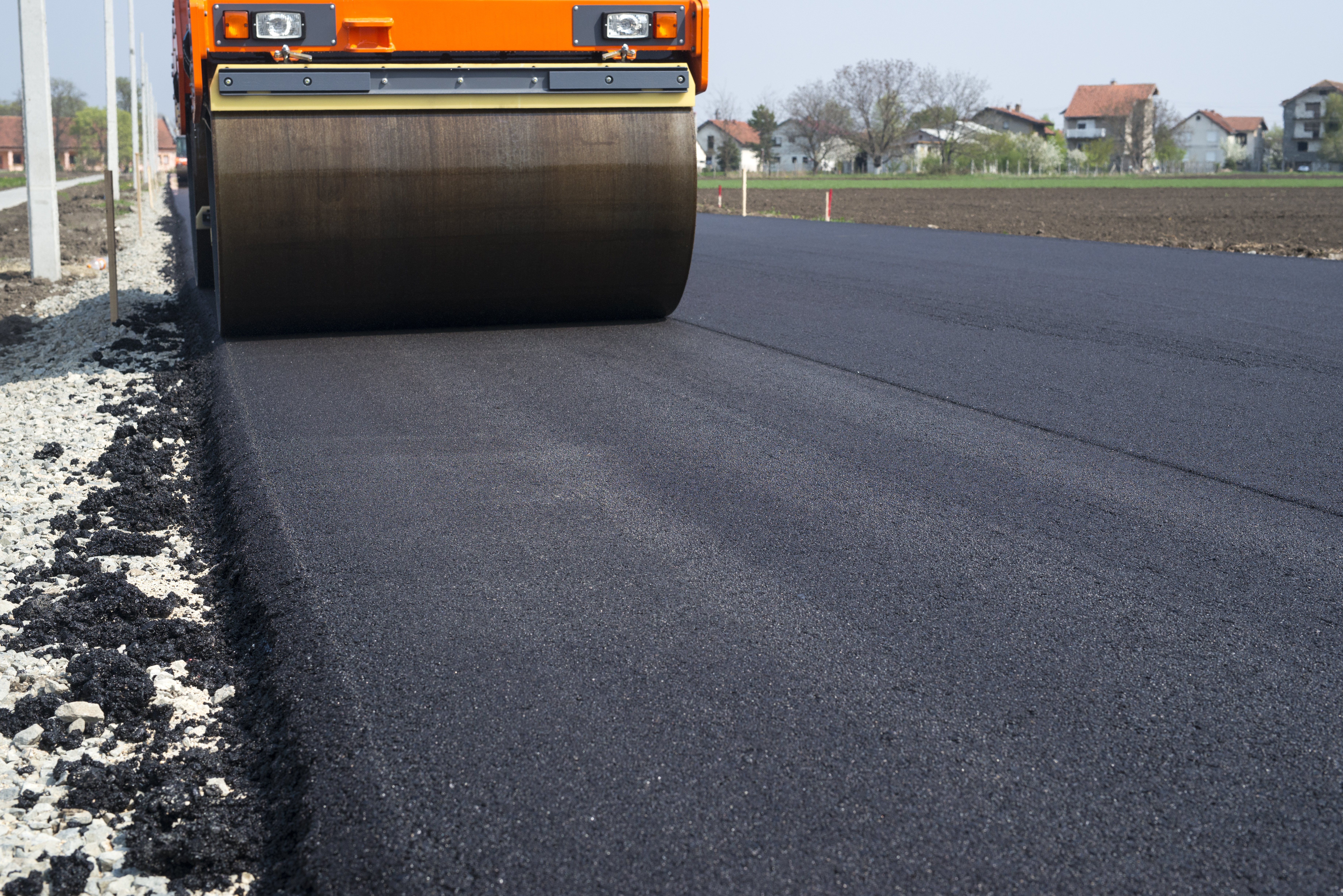
- Tandem rollers feature two steel drums and are perfect for asphalt compaction. Their smooth finish and high precision make them the go-to for road surfacing. If you’re in the market, it’s worth exploring a quality tandem roller for sale to ensure your projects meet the required finish standards.
- Pneumatic rollers, which use rubber tyres, are great for sealing surfaces and blending materials. They offer a more flexible compaction process, ideal for intermediate layers and surfaces with mixed materials.
Maintenance and Operator Practices
Even the best compaction technique will fail if your equipment isn’t well-maintained. Regular maintenance is crucial, this includes checking for oil leaks, ensuring drums are clean, and confirming that the vibration functions are working properly.
Operators also play a key role in achieving optimal compaction. Good practices, such as adjusting the roller’s speed based on terrain, following proper pass patterns, and being attentive to how the material responds, can significantly improve compaction quality.
Safety is another critical consideration. Rollers operate on uneven terrain and near other machinery or traffic, so proper training and situational awareness are essential to avoid accidents and ensure a safe working environment.
Technology Is Changing the Game
Modern construction sites are increasingly using intelligent compaction systems. These tools monitor soil stiffness, roller location, and coverage in real-time.
With the help of GPS and onboard sensors, operators can pinpoint exactly where additional compaction is needed or where it has already been effectively completed.
This not only enhances quality but also reduces the need for rework, saving both time and costs. As these systems become more accessible, they are rapidly becoming the industry standard for improving efficiency and accuracy.
Sourcing Reliable Equipment
Choosing the right roller for your needs is more than just comparing price tags. It’s about long-term performance, durability, and support. If you’re expanding your fleet or replacing old machines, browsing for a dependable road roller for sale from trusted suppliers can make all the difference.
When buying used equipment, always consider factors like after-sales service, parts availability, and the machine’s maintenance history. A well-maintained roller will provide reliable service for years to come.
Final Thoughts
Roller compaction techniques are essential for building stable, safe, and high-performing infrastructure from the ground up.
By understanding your soil, selecting the right technique, and investing in quality equipment, you can achieve far better compaction results. As technology continues to evolve and new tools enter the market, staying informed is key to keeping up with industry standards and ensuring project success.
