Designing for Flood Resilience: The Often‑Overlooked Role of Plumbing
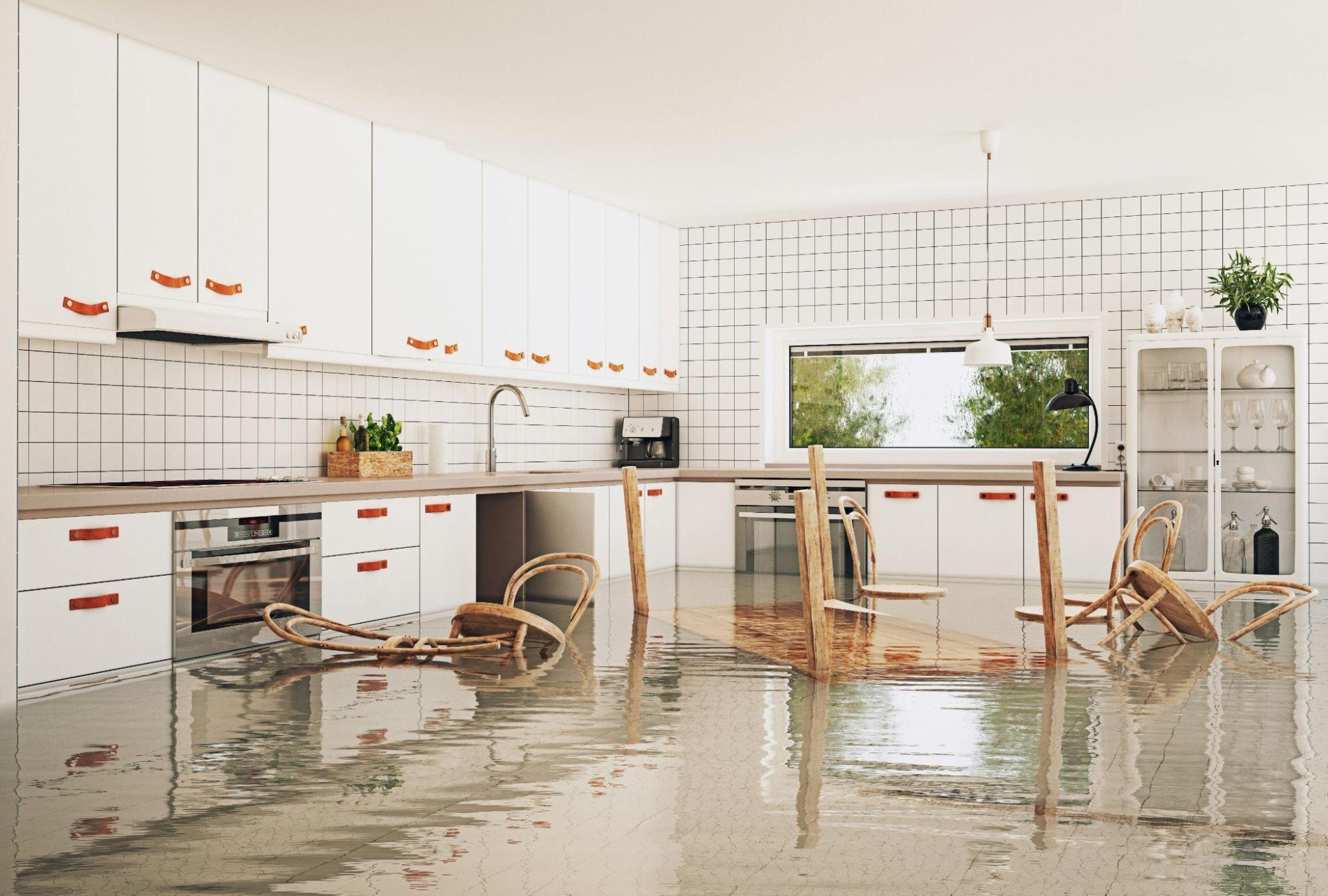
Natural disasters rarely knock. They kick the door in—and floods are among the most unforgiving. For homeowners, architects, and engineers alike, flood resilience has shifted from a fringe consideration to a foundational design priority. And while most eyes gravitate toward waterproof membranes, elevated foundations, and drainage gradients, one critical aspect often flies under the radar: plumbing.
In fact, the role of plumbing in flood resilience starts long before the pipes are laid. It begins in the blueprint phase, ideally when structural engineers and architects are working with a plumbing company like All Kind Plumbing. Early collaboration ensures plumbing systems don’t become a structural liability when the waters rise.
Why Plumbing Matters in a Flood-Resilient Structure
Plumbing is the circulatory system of any building, quietly directing water where it’s needed and away when it’s not. But in the chaos of a flood, these channels can become reverse-flow disasters. Sewer backups, burst pipes, and corroded valves can inflict as much damage as the floodwaters themselves.
Moreover, poorly placed or inadequately protected plumbing systems can undermine even the best structural designs. Consider a situation where floodwater enters through poorly sealed pipe penetrations or where backflow pressure compromises indoor air quality. These aren’t just design oversights—they’re system failures.
Elevation Isn’t Just for Floors: Raising Plumbing Fixtures
Flood-prone zones often come with regulatory requirements for elevated floors. But what about the systems within those floors?
Raising plumbing fixtures such as water heaters, HVAC connections, and even toilets can drastically reduce the risk of water damage. These components are often installed in basements or ground floors—precisely where floodwaters strike first. When elevated appropriately or relocated entirely, these fixtures can be spared from contamination and corrosion.
According to FEMA’s floodplain management guidelines, elevating mechanical systems at or above base flood elevation (BFE) is one of the simplest and most cost-effective flood mitigation strategies.
The Backflow Barrier: A Plumbing Superpower

Image from Unsplash
In a flood, pressure imbalances can cause wastewater to flow backward into homes through drains, toilets, and sinks. It’s as gross as it sounds—and potentially hazardous to health.
This is where backflow prevention devices come in. These one-way valves are installed on drain lines and sewer laterals to ensure water only travels in the intended direction. They’re small but mighty—especially in flood zones where municipal systems may also be overwhelmed.
Properly specifying and locating these devices is not a last-minute fix. It’s a design decision. When engineers are looped in early with plumbing experts, they can incorporate backflow prevention without retroactive adjustments that compromise efficiency or structural harmony.
Structural Integrity Begins with Penetration Planning
One of the most common ways floodwater breaches a structure is through poorly sealed pipe penetrations. Every pipe that enters or exits a building punches a hole in its armor. Without proper gaskets, sleeves, and sealants, these can become the Achilles’ heel of an otherwise flood-hardened design.
Additionally, improperly planned pipe penetrations can weaken walls, especially shear walls and load-bearing elements. In high-flood-risk areas, this is not just inefficient—it’s dangerous.
Structural engineers and plumbing contractors must coordinate closely to determine where penetrations can safely occur. Routing, spacing, and sealing are all critical considerations that are often botched when left to improvisation in the field.
Greywater and Rainwater Systems: Assets or Liabilities?
Water-saving strategies such as greywater recycling and rainwater harvesting are becoming more common, particularly in drought-prone areas. But in flood zones, they can be double-edged swords.
Improperly designed catchment tanks can float, crack, or become contaminated during a flood. Overflow paths may inadvertently direct water toward a structure rather than away. Pipes carrying greywater may back up and overflow if not properly vented or if anti-siphon devices aren’t installed.
Again, these risks are entirely manageable—if identified early. A seasoned plumbing company will flag them during the design phase, not after the drywall is up.
The Insurance Angle: Codes, Compliance, and Cost Savings
Most flood insurance policies offer premium reductions for homes that meet or exceed local floodproofing codes. And yes, plumbing plays a role in this equation. Backwater valves, elevated systems, and watertight penetrations aren’t just best practices—they’re often prerequisites for compliance.
In the United States, the National Flood Insurance Program (NFIP) maintains a Community Rating System (CRS) that rewards proactive flood risk reduction. Municipalities that enforce resilient plumbing standards help their residents lower insurance premiums.
This isn’t just bureaucratic red tape—it’s a financial lever that incentivizes better design. And the earlier in the project lifecycle these decisions are made, the more affordable they become.
Material Matters: Choosing Components That Last

Not all plumbing materials perform equally in flood conditions. Galvanized steel, for example, corrodes quickly when exposed to standing water, while copper offers more durability but comes at a higher price point.
PEX tubing, widely used in modern builds, is flexible and more resilient to freezing or water pressure changes—a valuable trait in fluctuating flood conditions. However, its vulnerability to UV light means it needs careful placement, especially in elevated outdoor systems.
Beyond pipes, even gaskets, valves, and brackets must be scrutinized. Flood-resilient construction is all about reducing points of failure. That includes choosing components that can withstand prolonged moisture exposure without degrading.
Lessons from Recent Storms
Major flooding events like Hurricane Harvey in 2017 and Australia’s 2022 east coast floods exposed critical weaknesses in existing plumbing infrastructure. In many cases, damage wasn’t due to structural collapse—but rather systemic plumbing failures.
Backflow valves failed. Sump pumps shorted out. Water heaters dislodged. These aren’t dramatic structural issues; they’re seemingly minor mechanical lapses that led to tens of thousands in damage.
Post-event analysis from the U.S. Department of Housing and Urban Development has repeatedly emphasized the need for plumbing system upgrades in both new and existing structures as part of any comprehensive flood resilience strategy.
Collaborating Early: The Key to Cohesion
The most flood-resilient buildings are never the result of siloed thinking. Architects, structural engineers, and plumbing professionals must work in lockstep from day one. When plumbing decisions are deferred or treated as secondary, the entire structure becomes vulnerable.
That’s why working with a plumbing company like All Kind Plumbing during the early planning stages isn’t just convenient—it’s essential. These professionals understand both the code requirements and practical realities of what happens when nature tests your design.
In regions prone to flooding, every pipe, valve, and gasket is part of a broader defense system. Skimping on plumbing foresight is like reinforcing your front door while leaving the back one wide open.
Flood resilience is a multidisciplinary puzzle, and plumbing is one of its most overlooked pieces. The systems designed to manage water during normal conditions must also be equipped to withstand it when chaos strikes.
From backflow valves to elevated fixtures, from careful material selection to watertight penetrations—every plumbing choice affects structural integrity. And those choices shouldn’t wait until after the concrete is poured.
True resilience starts on paper. And it starts with collaboration.
So next time you think about flood-proofing a building, don’t just ask, “How high should the foundation be?” Ask also, “What’s flowing through it—and who’s designing that system?”
