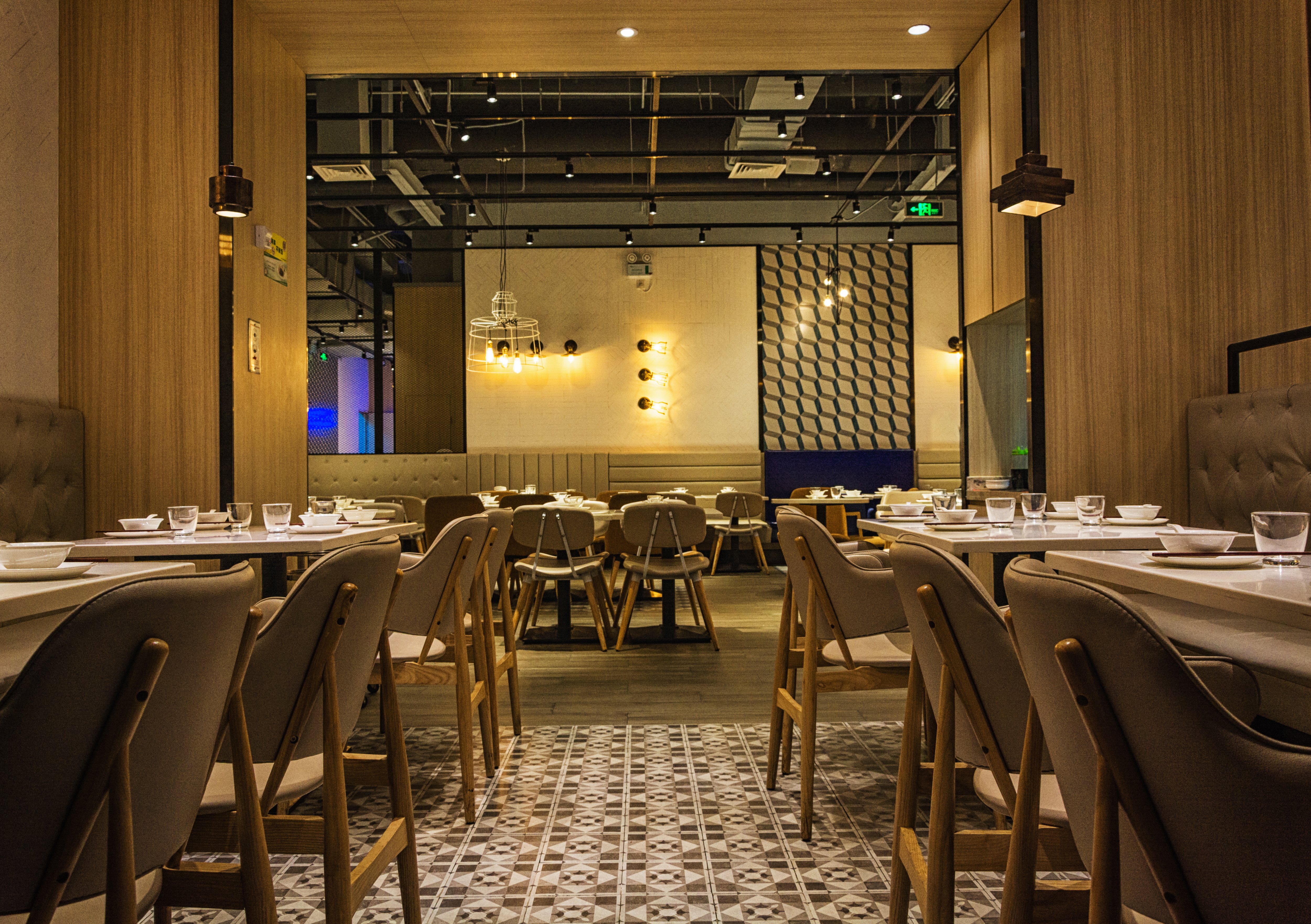
Essential Safety Tips When Choosing Restaurant Furniture
Choosing the right restaurant furniture goes far beyond style and comfort—it plays a critical role in ensuring the safety of your guests and staff. Whether you’re opening a new location or updating your dining space, overlooking safety standards can result in costly liabilities, health concerns, and a compromised customer experience. From structural integrity to fire safety, making informed choices about furniture design, materials, and layout can prevent accidents and support smooth operations. Below, we outline key safety tips every restaurant owner should consider before purchasing restaurant furniture.
Understanding Safety Standards for Commercial Restaurant Furniture
When selecting restaurant furniture, it’s essential to ensure that every piece meets commercial safety standards. Unlike residential furniture, commercial-grade items are designed for heavy use and are often subject to strict regulations. Look for certifications that guarantee compliance with fire safety codes, especially for upholstered chairs, booths, and soft furnishings. Flame-retardant materials reduce fire risks and may even be required by local or state codes.
Furniture should also meet ANSI/BIFMA standards, which ensure safety in durability, performance, and structural integrity. Purchasing from reputable commercial suppliers increases the likelihood that your furniture is lab-tested and certified.
Investing in furniture that complies with industry safety regulations not only protects your patrons but also safeguards your business from potential legal or insurance issues. It’s a proactive step in building a reliable and professional dining environment.
Prioritizing Stability and Structural Integrity in Restaurant Furniture
One of the most important safety aspects in restaurant furniture is structural stability. Wobbly tables, unstable chairs, or loosely assembled furniture can lead to accidents, spills, and injuries. Always prioritize commercial-grade furniture designed to withstand constant movement and weight fluctuations.
Check that chairs and stools have balanced leg support, reinforced joints, and anti-tip features where necessary. Tables should have sturdy bases that prevent rocking, even on slightly uneven floors. Bar furniture should be particularly robust, as it typically endures more shifting and leaning from guests.
Before purchase, ask for weight capacity ratings and verify the strength of materials used—especially for high-traffic areas. Well-built furniture not only prevents wear and tear but also minimizes the risk of collapse or breakage, offering a secure and consistent guest experience every time.
Choosing Non-Toxic and Easy-to-Clean Restaurant Furniture Materials
Cleanliness and hygiene are paramount in food service, and that includes your restaurant furniture. Choosing non-toxic, low-VOC materials helps protect indoor air quality and the health of both customers and staff. Avoid furniture treated with hazardous chemicals or finishes that emit harmful gases over time.
Opt for materials that are easy to sanitize—such as metal, treated wood, or vinyl upholstery—especially in seating and tabletop surfaces. Fabric chairs should be upholstered with antimicrobial or stain-resistant materials to reduce the risk of bacteria buildup.
Furniture should also be resistant to moisture, heat, and spills, ensuring longevity without compromising safety. During health inspections, easy-to-clean furniture contributes to passing scores and fewer violations.
Ultimately, selecting hygienic and non-toxic furniture isn’t just a design choice—it’s a critical investment in the well-being of your guests and the cleanliness standards of your restaurant.
Ensuring Proper Spacing and Layout for Safe Restaurant Furniture Use
Safety doesn’t stop at furniture selection—how you arrange your restaurant furniture significantly affects guest and staff safety. Overcrowding dining areas can lead to accidents, obstructed walkways, and restricted access to exits. Always adhere to fire codes and ADA (Americans with Disabilities Act) regulations to ensure accessible routes throughout your establishment.
Keep a clear path for emergency exits and design layouts that allow servers and guests to move freely. Tables should be spaced far enough to accommodate chairs being pushed back without causing obstruction. Waiting areas, restrooms, and high-traffic zones require extra attention when planning furniture placement.
Also, consider spacing for strollers, wheelchairs, and mobility devices to foster inclusivity. A safe, spacious layout not only minimizes risk but also enhances the dining experience by reducing noise, congestion, and stress for both staff and guests.
Conclusion
Selecting restaurant furniture is about more than just aesthetics—it’s a crucial part of your restaurant’s safety strategy. From adhering to fire and industry standards to ensuring structural integrity and hygienic material choices, every decision contributes to a safer dining environment. Additionally, thoughtful layout planning prevents overcrowding and promotes smooth traffic flow, which is essential during emergencies and busy service times.
By prioritizing safety in your furniture selections, you demonstrate professionalism and care for your customers’ well-being. It also helps you avoid costly repairs, potential lawsuits, or health violations. Investing in high-quality, certified, and safe furniture may require more upfront, but it pays dividends in the form of guest trust, operational efficiency, and long-term success.
Always remember: the best dining experiences are built on a foundation of safety and comfort—starting with the furniture that supports it all.
