Engineered Fabric Structures Offer a Smart Alternative for Flexible and Efficient Building Solutions
Engineered fabric structures are gaining momentum across industries for both temporary and permanent applications. Their speed of installation, cost savings, and design adaptability make them an appealing option in today’s dynamic construction environment.
In an industry where time, cost, and sustainability are all under the microscope, the engineered fabric structure is stepping forward as an efficient and adaptable alternative to traditional construction. Commonly used for everything from temporary storage and event venues to long-term sports facilities and warehouses, these structures are built with tensioned fabric supported by steel or aluminum frames. Their rapid deployment, minimal environmental impact, and ability to scale have led to widespread adoption in sectors like logistics, agriculture, aviation, and public events.
Versatility Across Sectors Drives Widespread Use
One of the standout advantages of engineered fabric structures is their versatility. These structures are not limited to one specific application but have been used successfully across a variety of industries. In agriculture, they serve as barns, equipment shelters, and indoor growing environments. In the sports world, they house indoor training arenas, tennis courts, and swimming pools. The logistics and warehousing sector often relies on them for temporary or semi-permanent storage solutions, particularly during seasonal surges or emergency situations.
Their modular design allows them to be customized in size, layout, and features, making them an attractive option for businesses that require flexible infrastructure. Public sectors such as education and healthcare have also started using fabric structures for classrooms, temporary clinics, and vaccination centers. This wide range of applications underlines their adaptability and the ease with which they can be integrated into different operational frameworks.
Speed of Installation Offers Competitive Advantage
Traditional buildings often take months, or even years, to complete. Engineered fabric structures, by contrast, can be designed, manufactured, and erected within a matter of weeks. This compressed timeline provides a major competitive edge, particularly in industries where operational speed is crucial. For instance, in disaster relief or military contexts, the ability to erect a shelter, warehouse, or command center quickly can make a significant difference in outcomes.
Additionally, the prefabricated nature of these structures means minimal disruption to surrounding areas and a lower reliance on heavy machinery during installation. The simplicity of the construction process reduces the risk of delays due to weather or labor shortages, making them highly reliable for fast deployment. In business environments where time-to-market can define success, this speed is invaluable.
Cost Efficiency Makes Fabric Structures Budget Friendly
Cost is a major factor in any construction project, and engineered fabric structures often come out ahead. The materials used—typically high-strength PVC-coated polyester or PTFE fabrics—are lightweight but durable, requiring less structural support than traditional materials like concrete or brick. This reduction in material weight translates to savings in transportation and labor costs.
Moreover, because these structures can often be relocated or repurposed, businesses get more value over the lifetime of the investment. Maintenance costs are also lower, as fabric structures require less upkeep and are generally more resistant to weathering and corrosion. These financial benefits make them particularly appealing to small and medium-sized enterprises that must closely manage capital expenditure.
Sustainability and Environmental Impact Are Strong Points
With increasing pressure to reduce carbon footprints and adopt sustainable practices, engineered fabric structures align well with environmental goals. Many of these structures are designed to be energy-efficient, incorporating features like natural daylighting through translucent fabrics, which reduces the need for artificial lighting. Their construction process involves fewer materials, less waste, and reduced site disturbance compared to traditional builds.
Additionally, many fabric materials are recyclable, and the ability to disassemble and relocate structures helps reduce long-term waste. These factors make fabric structures a solid choice for organizations committed to green building practices. As global sustainability regulations tighten, using fabric structures can also aid in compliance with environmental standards and certifications.
Durability and Weather Resistance Provide Long-Term Reliability
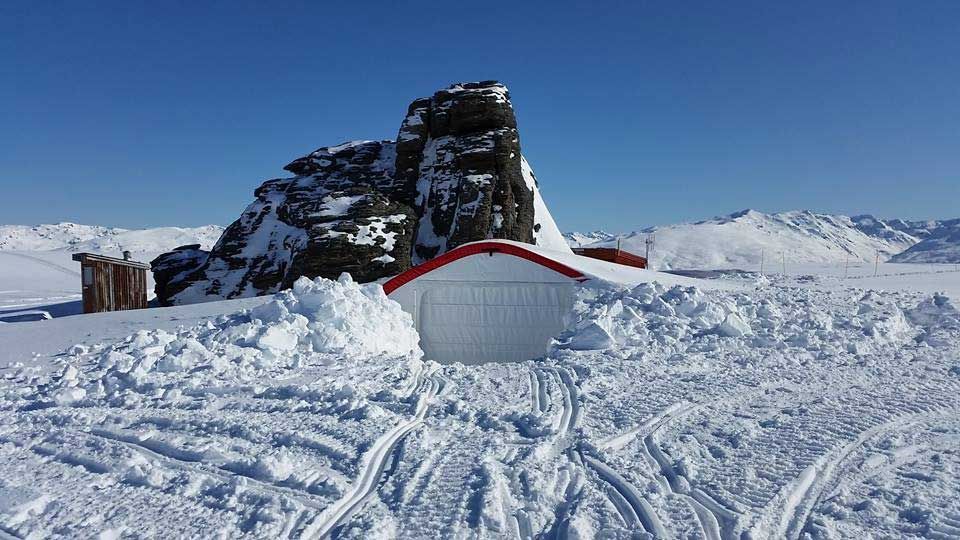
A common misconception is that fabric structures are temporary by nature and not suited for harsh environments. However, advancements in materials and engineering have made modern fabric structures extremely durable. High-tension fabric membranes are designed to withstand wind, snow, rain, and even seismic activity. Frame materials, typically galvanized steel or aircraft-grade aluminum, are treated to resist rust and degradation over time.
These design elements make fabric structures viable for permanent installations in both urban and remote locations, whether facing Arctic cold or desert heat. Manufacturers rigorously test these materials under extreme conditions to ensure compliance with international safety standards. As a result, many fabric structures now come with warranties spanning decades, giving owners long-term confidence.
Design Flexibility Supports Customization and Branding
Fabric structures are not just utilitarian; they also offer significant room for aesthetic and functional customization. The architectural design can include curved or angular rooflines, integrated lighting, ventilation, insulation, and even solar panels. Businesses can choose colors and materials that align with their brand identity or project needs.
For events and exhibitions, structures can be custom-branded with logos or visuals, turning functional spaces into eye-catching promotional tools. This flexibility in design makes engineered fabric structures an appealing choice for both corporate and public-facing applications. From pop-up retail stores to custom-built stages, the design possibilities are broad and impactful.
Relocation and Reusability Increase Long-Term Value
Another advantage that sets engineered fabric structures apart is their portability. These buildings can be disassembled, transported, and reassembled at new locations, offering long-term utility that fixed structures cannot match. This feature is particularly valuable for companies with evolving spatial needs or those operating in temporary or leased locations.
For example, a logistics firm facing seasonal overflow can set up a temporary warehouse for a few months, then move it to another site the following year. The reusability of these structures enhances ROI and supports a circular approach to construction. This level of mobility also makes them suitable for global operations, where assets must often be relocated across borders.
Technology Integration Expands Future Applications
Modern engineered fabric structures are increasingly compatible with technological enhancements. Smart sensors can be embedded into the framework to monitor structural integrity, temperature, and humidity levels in real time. This makes them suitable for sensitive applications like data centers, agriculture, and pharmaceuticals.
Integration with solar panels and energy management systems can further reduce operational costs and environmental impact. As the construction industry embraces digital transformation, fabric structures offer a high-tech platform that can evolve with organizational needs. Their adaptability makes them a forward-thinking solution in an era driven by innovation and data.
