Heat Pump vs Furnace: Which Is Right for Your Home?
You’re standing in your basement looking at your old heating system, knowing that it’s time for a replacement. The HVAC contractor just threw around terms like “heat pump” and “furnace,” but what’s the real difference? More importantly, which one’s right for your home and budget?
Here’s what you need to know: both systems heat your home, but they work completely differently. One burns fuel to create heat, while the other moves heat from outside air into your house. The choice between them affects your monthly energy bills, upfront costs, and how comfortable you’ll be when winter hits.
How Heat Pumps Work
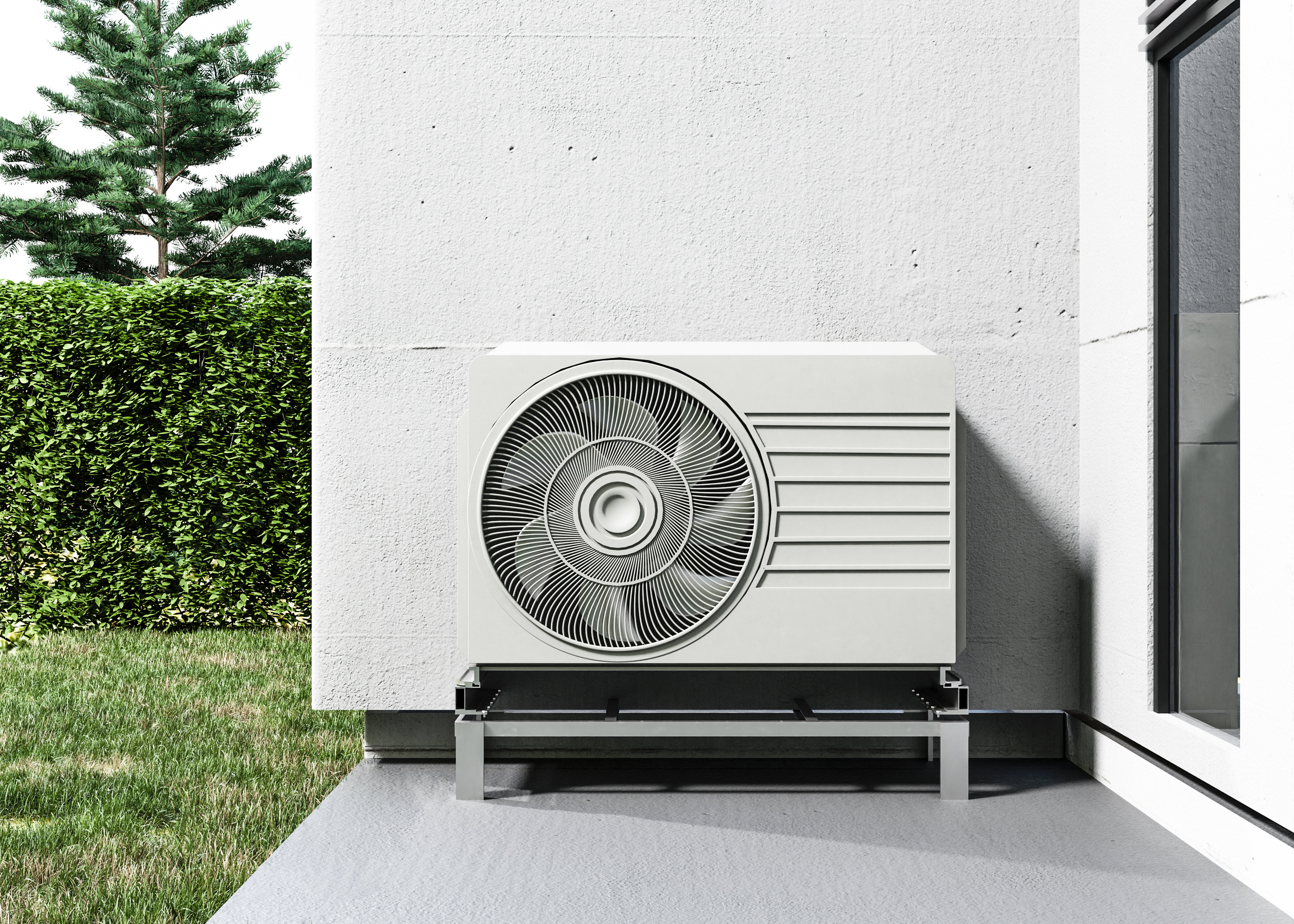
Think of a heat pump as your home’s heating and cooling system rolled into one unit. It doesn’t create heat, it moves it around. Even when it’s freezing outside, there’s still heat energy in the air. A heat pump captures that energy and brings it inside to warm your home.
During summer, the process flips. Your heat pump pulls warm air from inside your house and dumps it outside, just like a regular air conditioner. This dual function makes heat pumps popular for year-round climate control, and they’re increasingly used in commercial heating systems where energy efficiency matters most.
The Heat Transfer Process
The magic happens through the refrigerant that circulates between your indoor and outdoor units. The outdoor unit contains a compressor and coils that extract heat from outside air, even in temperatures as low as 20°F. This refrigerant carries the captured heat through pipes to your indoor unit, where it’s distributed through your ductwork.
Research from the U.S. Department of Energy shows that “today’s heat pump can reduce your electricity use for heating by up to 75% compared to electric resistance heating such as furnaces and baseboard heaters.”
Heat Pump Components and Setup
A typical heat pump system includes an outdoor unit with a compressor and coils, an indoor air handler, and refrigerant lines connecting them. You’ll also need existing ductwork to distribute heated or cooled air throughout your home. The system works with your central air conditioning setup, often replacing both your old AC unit and heating system.
Unlike window units that only cool one room, heat pump systems provide whole-home comfort through your existing air ducts. Some homeowners opt for split-system air conditioners paired with separate heating, but heat pumps handle both jobs in one integrated setup.
How Furnaces Work
Furnaces take a much more straightforward approach – they burn fuel to create heat. When your thermostat calls for heat, your furnace fires up, burns natural gas, oil, or uses electricity to generate hot air, then blows that warm air through your ducts and into your rooms.
- Combustion and Heat Generation
Gas furnaces burn natural gas in a combustion chamber, creating hot exhaust gases that heat up a metal heat exchanger. Your blower fan pulls cool air from your house, passes it over the hot heat exchanger, and pushes the newly warmed air back through your ductwork. The exhaust gases get vented outside through a flue pipe.
This forced air system moves warm air through the same ducts that handle your cooling needs during summer months.
- Fuel Types and Energy Sources
You’ve got three main furnace options based on fuel type.
- Natural gas furnaces: are most common and usually cheapest to operate where gas lines are available.
- Oil furnaces: work well in areas without natural gas access but require on-site fuel storage.
- Electric furnaces: cost more to run but need less maintenance and work anywhere with electrical service.
Some commercial building HVAC systems use packaged air conditioners combined with separate heating units, but residential setups typically use either split systems or all-in-one units.
Key Differences Between Heat Pumps and Furnaces
The biggest difference isn’t just how they work – it’s how they perform in different climates and what they cost to operate.
- Energy Efficiency and Operating Costs
Heat pumps win the efficiency battle in mild climates. According to the U.S. Department of Energy, “today’s heat pump can reduce your electricity use for heating by up to 70% compared to electric resistance heating such as furnaces and baseboard heaters.” Gas furnaces typically achieve 80-95% efficiency, meaning some energy gets lost through venting.
However, heat pump efficiency drops as outdoor temperatures fall. When it’s really cold, your heat pump works harder and uses more electricity, while a gas furnace maintains consistent performance regardless of outside temperature.
- Climate Performance and Limitations
Here’s where climate makes all the difference. Heat pumps excel in moderate climates where winter temperatures rarely drop below 25°F. In these areas, they can handle both heating and cooling efficiently year-round.
Furnaces shine in cold climates. They’ll heat your home effectively whether it’s 40°F or -20°F outside. If you live somewhere with harsh winters, a furnace provides more reliable heating when you need it most.
- Installation and Maintenance Requirements
Heat pump installation typically costs more upfront because you’re getting both heating and cooling in one system. You’ll need electrical connections for both indoor and outdoor units, plus refrigerant lines if you don’t already have them.
Furnace installation varies by fuel type. Gas furnaces need proper venting and gas line connections. Both systems require annual maintenance, but heat pumps need attention to both heating and cooling components.
Heat Pump vs Furnace: Cost Comparison
The financial picture depends on your local utility rates, climate, and home size. Here’s how the numbers typically break down:
Upfront Installation Costs
| System Type | Average Installation Cost | Additional Requirements |
| Heat Pump | $4,000 – $8,000 | Electrical work, refrigerant lines |
| Gas Furnace | $3,000 – $6,000 | Gas line, venting system |
| Electric Furnace | $2,500 – $5,000 | Electrical upgrades |
| Oil Furnace | $4,000 – $7,000 | Oil tank, venting system |
Monthly Energy Bills and Long-term Savings
| Climate Zone | Heat Pump Annual Cost | Gas Furnace Annual Cost | Savings Potential |
| Mild Winter (Zone 1-2) | $800 – $1,200 | $900 – $1,400 | Heat pump saves $100-200 |
| Moderate Winter (Zone 3-4) | $1,000 – $1,500 | $1,100 – $1,600 | Heat pump saves $50-150 |
| Cold Winter (Zone 5-8) | $1,200 – $2,000 | $1,000 – $1,500 | Gas furnace saves $200-500 |
These numbers assume average home size and current utility rates. Your actual costs will vary based on local electricity and gas prices.
Which System Is Right for Your Home?
The right choice depends on where you live, your home’s setup, and your budget priorities.
- Climate Considerations
If you live in the South or Southwest, where winter temps rarely drop below freezing, a heat pump makes sense. You’ll get efficient heating and cooling in one system. The Energy Information Administration reports that heat pumps work best in climate zones 1-3, which cover most of the southern United States.
For northern climates with harsh winters, a gas furnace typically provides more reliable, cost-effective heating. Some homeowners in transitional climates use dual-fuel systems – a heat pump for mild weather and a gas furnace backup for extreme cold.
- Home Size and Heating Needs
Larger homes often benefit from the consistent heat output of furnaces, especially in cold climates. Smaller, well-insulated homes can often get by with heat pumps even in moderate winter climates.
Consider your existing infrastructure too. If you already have gas lines and ductwork, a furnace replacement might be simpler. If you’re replacing both heating and cooling systems, a heat pump could save money by handling both jobs.
Your home’s air quality also improves with either system compared to older heating methods, since both use filtered air circulation rather than direct combustion in living spaces.
Pros and Cons: Heat Pump vs Furnace
Heat Pump Advantages:
- Provides both heating and cooling
- Higher energy efficiency in mild climates
- No combustion means better indoor air quality
- Environmentally friendly operation
Heat Pump Disadvantages:
- Less effective in very cold weather
- Higher upfront costs
- More complex maintenance needs
Furnace Advantages:
- Reliable heating regardless of outdoor temperature
- Lower upfront costs (especially gas models)
- Faster heating response
- Long lifespan with proper maintenance
Furnace Disadvantages:
- Requires a separate air conditioning system
- Burns fossil fuels (gas/oil models)
- Needs proper venting for safety
The bottom line? If you live somewhere with mild winters and want one system for heating and cooling, a heat pump makes sense. If you face harsh winters or have access to cheap natural gas, a furnace will likely serve you better.
Finally..
While heat pumps and furnaces handle your primary heating needs, you might also want to consider supplemental cooling options for specific areas.
Frequently Asked Questions
- Q: Can a heat pump work in cold weather? A: Modern heat pumps work in temperatures down to about 5°F, but they become less efficient as it gets colder.
- Q: How long do heat pumps and furnaces last? A: Heat pumps typically last 10-15 years, while gas furnaces can run 15-20 years with proper maintenance.
- Q: Do I need ductwork for both systems? A: Both traditional heat pumps and furnaces require ductwork to distribute air throughout your home.
- Q: Which system has better air quality? A: Heat pumps generally provide better indoor air quality since they don’t burn fuel inside your home.
- Q: Can I install either system myself? A: No. Both systems require professional installation for safety, warranty coverage, and proper performance.
