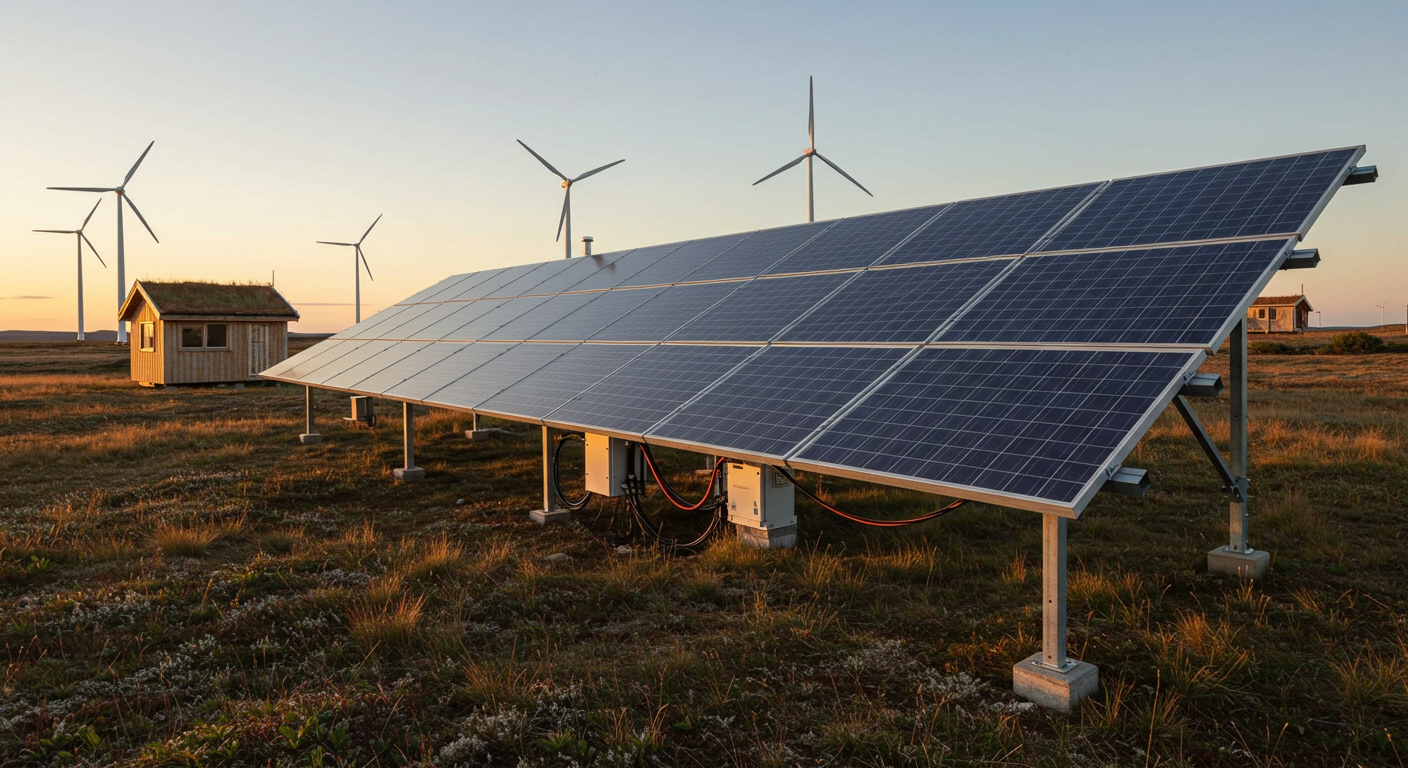
How Does an Off-Grid Solar System Work?
An off-grid solar system operates completely away from the utility grid, thus providing reliable power to your home or business using only solar energy and battery storage. Unlike grid-tied solar systems (which remain connected to the grid), off-grid solar power systems give you total energy independence by generating, storing, and distributing your own solar energy without any connection to the local utility grid.
The rising interest in off grid solar systems comes from people wanting lower electricity bills and reliable power in remote locations. These systems work by grabbing sunlight during the day, turning it into electricity, storing extra power in batteries, and keeping your lights on even during nights or on cloudy days.
Knowing how these systems work can help you decide if it’s right for you. The system runs through a daily cycle of making energy, storing it, and using it whenever you need power.
How Does an Off-Grid Solar System Work?
An off-grid solar system works through a pretty simple process that grabs solar energy during the day and saves it for whenever you need electricity. Here’s what happens from morning to night:
Daily Operation Cycle
- Morning (Sunrise to Mid-Morning): As sunlight hits your solar panels, they begin generating electricity. Initially, this power goes directly to charge your solar battery storage system since energy demand is typically low. The solar charge controller manages this process to prevent battery overcharging.
- Midday (Peak Sun Hours): During peak sun hours, your solar panel system produces maximum electricity. The system first powers your current household appliances and charges your batteries. Any excess electricity generated by the solar panels is stored in the battery system for later use.
- Evening and Night: When solar production drops or stops completely, your home pulls power from the energy stored in your battery system. The inverter changes the stored DC power into AC electricity that runs your house and appliances all night long.

System Operation Process
| Time Period | Solar Production | Power Source | Battery Status |
| Early Morning | Low | Batteries | Discharging |
| Mid-Morning | Increasing | Solar + Batteries | Charging begins |
| Midday | Peak | Solar panels | Fully charging |
| Afternoon | High | Solar panels | Storing excess |
| Evening | Decreasing | Solar + Batteries | Supplementing |
| Night | None | Batteries only | Discharging |
Power Flow Management
The off-grid solar energy system automatically handles power flow based on how much solar you’re making and how much electricity you’re using. When solar panels make more electricity than you need, the extra power charges your batteries. When you need more power than the panels are making, the system pulls from battery storage to keep your electricity steady.
Off-Grid Solar Power Systems Parts You Should Know!
Knowing the main parts helps explain how an off-grid solar system works on its own to give you reliable power:
1. Solar Panels and Solar Arrays
How Solar Panels Work: Solar panels turn sunlight directly into DC electricity through special cells. The size of your solar setup determines how much electricity your system can make during the best sun hours.
System Sizing: Your solar panel system needs to be big enough to power your daily electricity use and charge your battery storage. Most off-grid setups need bigger solar arrays than grid-tied systems since you can’t fall back on grid power.
2. Solar Battery Storage Systems
Why You Need Battery Storage: Solar batteries store extra electricity made during the day so you can use it when solar panels aren’t making power. How much battery capacity you have determines how many days your system can run without sunlight.
Battery Types:
- Lithium batteries: Longer lifespan, higher efficiency, more expensive
- Lead-acid batteries: Lower cost, shorter lifespan, require more maintenance
- Gel batteries: Good compromise between cost and performance
3. Solar Charge Controllers
What They Do: Solar charge controllers control the flow of electricity from solar panels to batteries, stopping overcharging and damage. They’re really important for making your batteries last longer and keeping your system running efficiently.
Controller Types:
- PWM controllers: Basic, lower cost, good for smaller systems
- MPPT controllers: More efficient, better for larger off-grid power systems
4. Inverters and Power Distribution
Turning DC into AC: Inverters change DC electricity from solar panels and batteries into AC electricity that your household appliances need. Pure sine wave inverters give you the cleanest power for sensitive electronics.
Keeping Track of Everything: Modern inverters include monitoring features that show you solar production, battery status, and power use, helping you manage your energy better.
Off-Grid vs Grid-Tied Solar Systems: What’s the Difference?
Understanding the differences between off-grid and grid-tied solar helps explain why off-grid systems operate independently:
1. Grid-Tied Solar Systems
- Grid Connection: Grid-tied solar systems remain connected to the utility grid and use it as a backup power source. When solar panels produce excess electricity, it’s fed back into the grid, often earning credits through net metering.
- No Battery Storage: Most grid-tied systems don’t include battery storage since the grid provides backup power. This makes them less expensive but dependent on grid access.
2. Off-Grid Solar Power Systems
- Independent Operation: Off-grid solar systems operate completely independently from the electricity grid. All power comes from solar panels and battery storage, providing true energy dominance.
- Battery Requirements: Off-grid systems require substantial battery storage to provide power during nights and cloudy periods. This increases system cost but eliminates electricity bills.
3. Hybrid Solar Systems
- Best of Both Worlds: Hybrid solar systems combine features of both off-grid and grid-tied systems. They include battery storage for backup power but remain connected to the grid when necessary.
- Grid Backup: Hybrid systems can draw power from the grid if solar production and battery storage are insufficient, providing a more reliable power supply than pure off-grid systems.

Benefits and Challenges of Going Completely Off-Grid
Advantages of Off-Grid Solar Energy Systems
- Complete Energy Independence: Off-grid solar power systems eliminate dependence on the utility grid and electricity bills. Once installed, your power supply comes entirely from free solar energy.
- Reliable Power in Remote Areas: For homes without access to the grid, off-grid solar provides a practical power solution. The system works anywhere with adequate sunlight, making remote living possible.
- Environmental Benefits: Off-grid solar systems produce clean, renewable energy without emissions. They reduce your carbon footprint and contribute to environmental protection.
- Power During Outages: Since off-grid systems don’t depend on the grid, they continue providing power even when the local utility grid experiences outages.
Challenges of Off-Grid Systems
- Higher Initial Investment: Off-grid solar power systems cost more than grid-tied systems due to battery storage requirements. The larger system needed for energy autonomy increases upfront costs.
- Weather Dependency: Extended cloudy periods can challenge off-grid systems. Proper system sizing and backup power sources help manage these situations.

Should You Buy an Off-Grid Solar System?
When Off-Grid Makes Sense
- Remote Locations: If your property lacks access to the grid or grid connection costs are extremely high, off-grid solar often provides the most economical power solution.
- Energy Independence Goals: For people prioritizing energy stand-alone and eliminating electricity bills, off-grid systems offer complete freedom from utility companies.
- Reliable Power Needs: In areas with unreliable grid power, off-grid systems with proper battery backup provide a more consistent electricity supply.
System Planning Considerations
- Energy Audit: Review your electricity usage patterns to calculate your daily power needs. This will determine the size of the solar array and battery storage required.
- Solar Resource Assessment: Evaluate your property’s solar potential, including sun exposure, shading, and seasonal variations. This affects system performance and sizing requirements.
- Budget Planning: Off-grid systems require a significant upfront investment. Consider financing options and long-term savings when evaluating costs.
Working with Solar Companies
Professional Design: The Solar Store specializes in off-grid solar panel installations and can design systems that meet your specific power needs and local conditions.
System Components: Work with experienced solar companies like TheSolarStore that understand off-grid requirements. They can recommend appropriate solar panels, batteries, and other components for your solar project.
Installation and Support: Proper installation ensures your off-grid solar energy system operates safely and efficiently. Look for solar installers with off-grid experience and ongoing support services.
San José Clean Energy (SJCE) has announced a significant expansion of its award-winning Solar Access Program, which provides 100% renewable energy to pollution-burdened, lower-income residents across San José at a 20% discount.
Final Thoughts
Off-grid solar systems create a complete energy setup that runs totally independently from the utility grid. By combining solar panels, battery storage, and smart system management, these systems provide reliable power while achieving real energy independence.
Going off-grid with solar panels depends on where you live, how much energy you use, and your personal goals. While off-grid systems cost more upfront and need careful energy management, they give you complete freedom from electricity bills and reliable power anywhere with good sunlight.
If you’re considering an off-grid solar project, work with experienced solar companies to design a system that fits your specific needs. Good planning and professional installation will ensure that your off-grid solar power system provides years of reliable, clean energy.
Frequently Asked Questions
- How does an off-grid solar system provide power at night? Off-grid systems use solar batteries to store excess electricity generated during the day. This stored energy powers your home during night hours when solar panels aren’t producing electricity.
- What’s the difference between off-grid and grid-tied solar systems? Off-grid systems operate independently without connection to the utility grid, while grid-tied systems remain connected and use the grid as backup power. Off-grid systems require battery storage for a reliable power supply.
- How much does an off-grid solar system cost? Depending on size and components, off-grid solar power systems typically cost $15,000- $50,000+. The larger battery storage requirements make them more expensive than grid-tied systems.
- Can off-grid solar systems power a whole house? Yes, properly sized off-grid systems can power entire homes. The system size depends on your electricity usage, with larger homes requiring bigger solar arrays and more battery storage.
- How long do off-grid solar systems last? Solar panels typically last 25+ years, while batteries need replacement every 5-15 years, depending on type. With proper maintenance, the overall system can provide decades of reliable power.
