Construction Site Essentials: Equipment Rentals for Every Phase
Every construction project, whether small or large, requires a range of specialised equipment to ensure efficiency, safety, and cost-effectiveness.
While some contractors choose to purchase their machinery, equipment rentals offer a flexible and economical alternative. Renting equipment ensures access to modern, well-maintained tools without the burden of ownership costs.
Understanding the role of rentals in each phase of a construction project can help site managers make informed decisions and optimise operations.
What Are The Different Phases of a Construction Project?
Construction projects typically follow a structured process, from initial planning to final handover. Each stage demands specific equipment to ensure smooth execution.
The pre-construction phase involves site assessments, feasibility studies, and regulatory approvals. During this period, surveying equipment, temporary fencing, and safety barriers are essential for preparing the site.
Next is the planning and design stage, where engineers and architects develop blueprints and structural layouts. While this phase primarily involves software tools, temporary office setups and communication systems may also be required on-site.
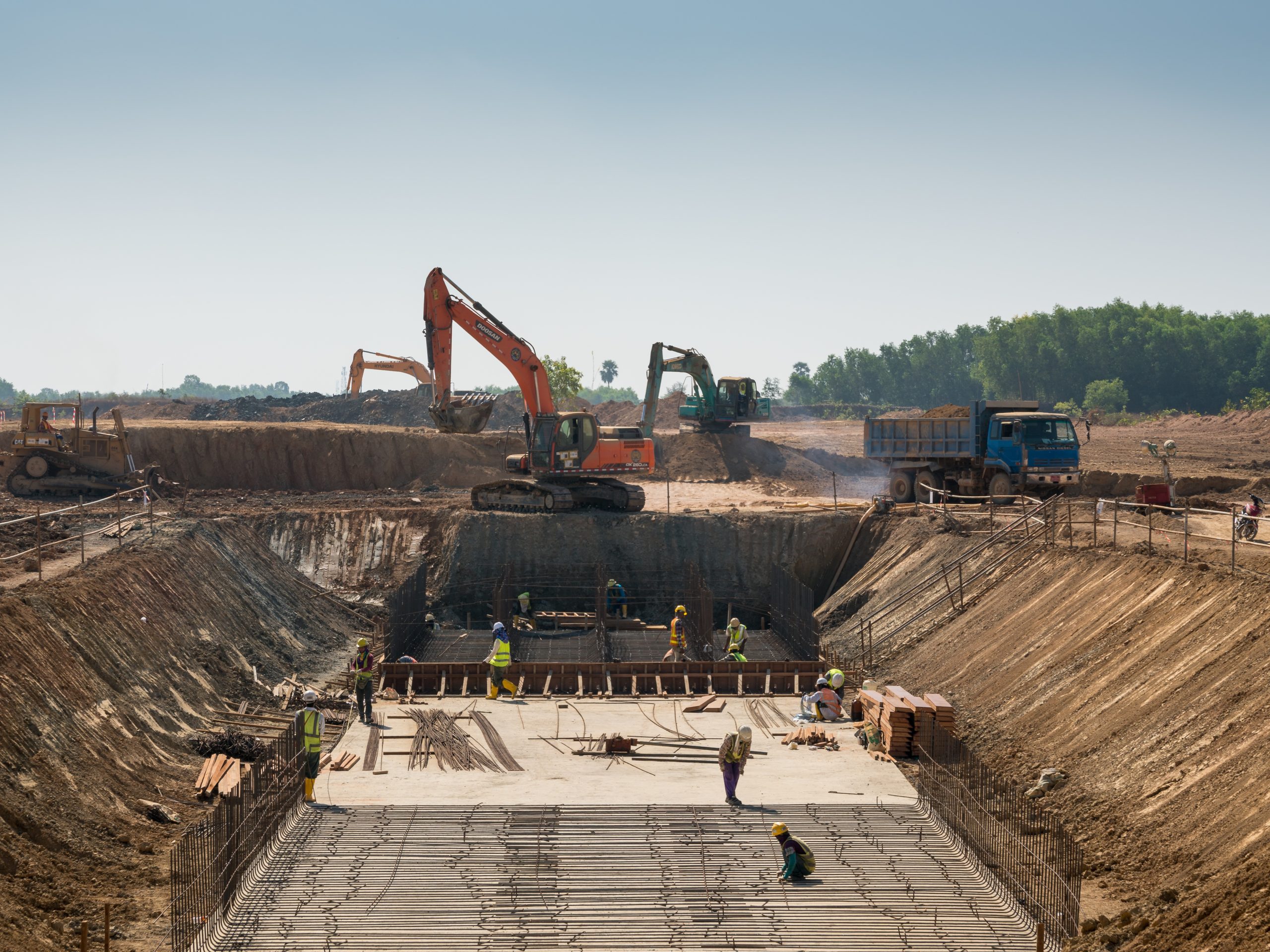
Once planning is complete, the execution phase begins. This is the most resource-intensive stage, requiring a variety of heavy machinery such as excavators, loaders, and cranes. Properly selected equipment helps streamline tasks such as earthmoving, material handling, and structural assembly.
The final stage is project completion and handover. This involves site clean-up, quality inspections, and final modifications. Equipment like industrial cleaning machines and inspection tools make sure that the site is safe and ready for occupancy.
What Is The Role of Equipment Rentals in Each Construction Phase?
Renting equipment allows project managers to access the right tools for each phase without incurring high costs. In the pre-construction phase, survey tools and site preparation equipment are typically rented due to their infrequent use.
Similarly, temporary infrastructure like mobile offices and storage units are often rented for the planning phase.
During the construction phase, renting heavy machinery such as bulldozers, backhoes, and lifts helps reduce maintenance responsibilities while ensuring access to high-quality equipment.
Once the project nears completion, rented tools for final inspections and finishing work help maintain efficiency and safety without long-term investment.
What Are The Benefits of Opting for Equipment Rentals?
One of the primary advantages of renting equipment like crane hire is cost savings. Purchasing heavy machinery requires a significant upfront investment, and ongoing expenses such as storage, maintenance, and depreciation further increase costs. Rentals eliminate these financial burdens, allowing businesses to allocate funds more effectively.
Another benefit of renting is access to the latest technology. Rental companies frequently update their inventory, making sure that clients receive modern, high-performance machinery. This improves productivity and safety on-site while minimising downtime caused by outdated equipment.
Renting also offers flexibility. Construction projects vary in scope and duration, making it impractical to own every piece of equipment needed. Rentals allow project managers to scale resources up or down as needed, ensuring efficiency without excessive expenditures.
Lastly, equipment rentals help mitigate risks associated with ownership. Rental agreements typically include maintenance services, reducing the likelihood of breakdowns and delays. Additionally, renting ensures compliance with safety regulations, as equipment is regularly checked and maintained by experts.
What Are The Key Considerations When Renting Construction Equipment?
Before securing rentals, project managers should assess their specific needs. Identifying which tools are required for each phase helps avoid unnecessary expenses and ensures smooth operations.
Choosing a reputable rental provider is equally important. Companies should be evaluated based on equipment quality, customer support, and reliability. Reading customer reviews and checking the company’s past track record can help in making an informed decision.
Understanding the rental agreement is crucial. Contracts should clearly outline costs, maintenance responsibilities, and liability clauses. Ensuring transparency in these aspects prevents unexpected expenses and disputes.
Additionally, logistics and support services should be considered. Timely delivery and pickup arrangements ensure that equipment is available when needed. Some rental providers also offer operator training and technical support, which can be beneficial for teams unfamiliar with specialised machinery.
Final Words
Construction projects involve multiple phases, each requiring specialised tools and machinery. Opting for equipment rentals helps contractors manage costs, access modern technology, and maintain operational flexibility.
From site preparation to project completion, renting the right equipment improves efficiency and ensures project success. Construction managers can streamline workflows and improve project outcomes by making informed rental decisions.
