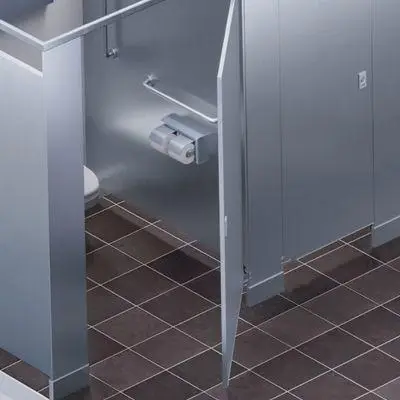
From Durability to Design: What to Consider When Choosing Restroom Partitions
Restrooms play a significant role in public and commercial spaces. A clean, well-designed restroom leaves a good impression on visitors. One key part of restroom design is the partitions. These dividers provide privacy, define the space, and contribute to the overall look. But choosing the proper partitions isn’t just about looks—it’s also about durability, maintenance, and cost.
Stainless steel toilet partitions remain the top choice for various reasons. It is strong, resistant to rust, and has a sleek, modern look. However, stainless steel and plastic laminate are just two options. Before choosing, consider different materials, designs, and features.
1. Durability and Material Selection
Restroom partitions endure daily wear and tear; some restrooms receive hundreds of visitors daily. That’s why durability is key. Choosing the right material can prevent damage, reduce maintenance, and keep restrooms looking new for years.
Here are the most common materials for restroom partitions:
- Powder-coated steel is cost-effective and durable but tends to rust in humid environments.
- Plastic Laminate – Offers a variety of colors and designs but is not ideal for wet environments.
- Solid Plastic (HDPE) is highly resistant to moisture, scratches, and graffiti, making it ideal for busy restrooms.
- Phenolic – Strong and resistant to water and bacteria, often used in hospitals and gyms.
- Stainless Steel – Extremely durable, rust-resistant, and stylish. Best for high-end restrooms.
A study found that high-density polyethylene (HDPE) partitions last up to 25 years with minimal maintenance. This makes them a smart choice for high-traffic areas like schools and airports.
2. Design and Aesthetic Appeal
Restroom partitions don’t have to be boring. They can be made in different colors, textures, and finishes to match the space. A well-designed restroom creates a positive experience for users.
- Color Options – Bright colors add energy, while neutral tones give a sleek, modern look.
- Custom Designs – Some partitions allow for custom prints or branding.
- Finish Choices – Matte, glossy, or textured finishes can enhance the design.
For upscale buildings, stainless steel partitions add a clean and elegant touch. Solid plastic or laminate offers more design flexibility in casual spaces like schools or malls.
3. Privacy and Accessibility Compliance
Privacy is one of the most important factors when choosing partitions. Gaps under and between doors can make users uncomfortable.
- Floor-to-ceiling partitions provide the most privacy.
- Overlapping doors reduce sightlines and prevent gaps.
- Minimal door gaps improve user comfort.
Restroom partitions should also meet ADA (Americans with Disabilities Act) guidelines. This means:
- Stalls must be large enough for wheelchair access.
- Doors should have grab bars and be easy to open.
- Partitions should provide enough space for movement.
4. Maintenance and Ease of Cleaning
Restrooms must be easy to clean. Some materials resist stains, bacteria, and graffiti better than others.
- Solid plastic and phenolic partitions resist water and bacteria, making them ideal for public restrooms.
- Stainless steel partitions are easy to wipe clean and maintain a polished look.
- Powder-coated steel and plastic laminate may need more care to prevent stains or peeling.
Studies show that high-traffic restrooms require cleaning at least four times a day. Choosing low-maintenance materials can save time and money.
5. Cost and Budget Considerations
Cost is always a factor when choosing restroom partitions. Prices vary depending on material, design, and extra features.
- Powder-coated steel is the most affordable but may not last long in humid areas.
- Plastic laminate offers good design choices at a mid-range price.
- Solid plastic (HDPE) costs more upfront but lasts longer with little maintenance.
- Stainless steel and phenolic partitions are premium options with high durability.
Investing in quality partitions may cost more initially but reduces repair and replacement costs in the long run.
6. Additional Features to Look For
Some extra features can make restroom partitions even better:
- Anti-vandalism design – Scratch-resistant surfaces and reinforced doors help prevent damage.
- Fire resistance – Some materials meet fire safety standards, reducing emergency risks.
- Eco-friendly options – Recycled materials and LEED-certified partitions support sustainability.
The Wrap-Up!
Choosing restroom partitions isn’t just about picking a color or material. Durability, maintenance, privacy, and budget all matter. The right choice keeps restrooms clean, comfortable, and long-lasting.
