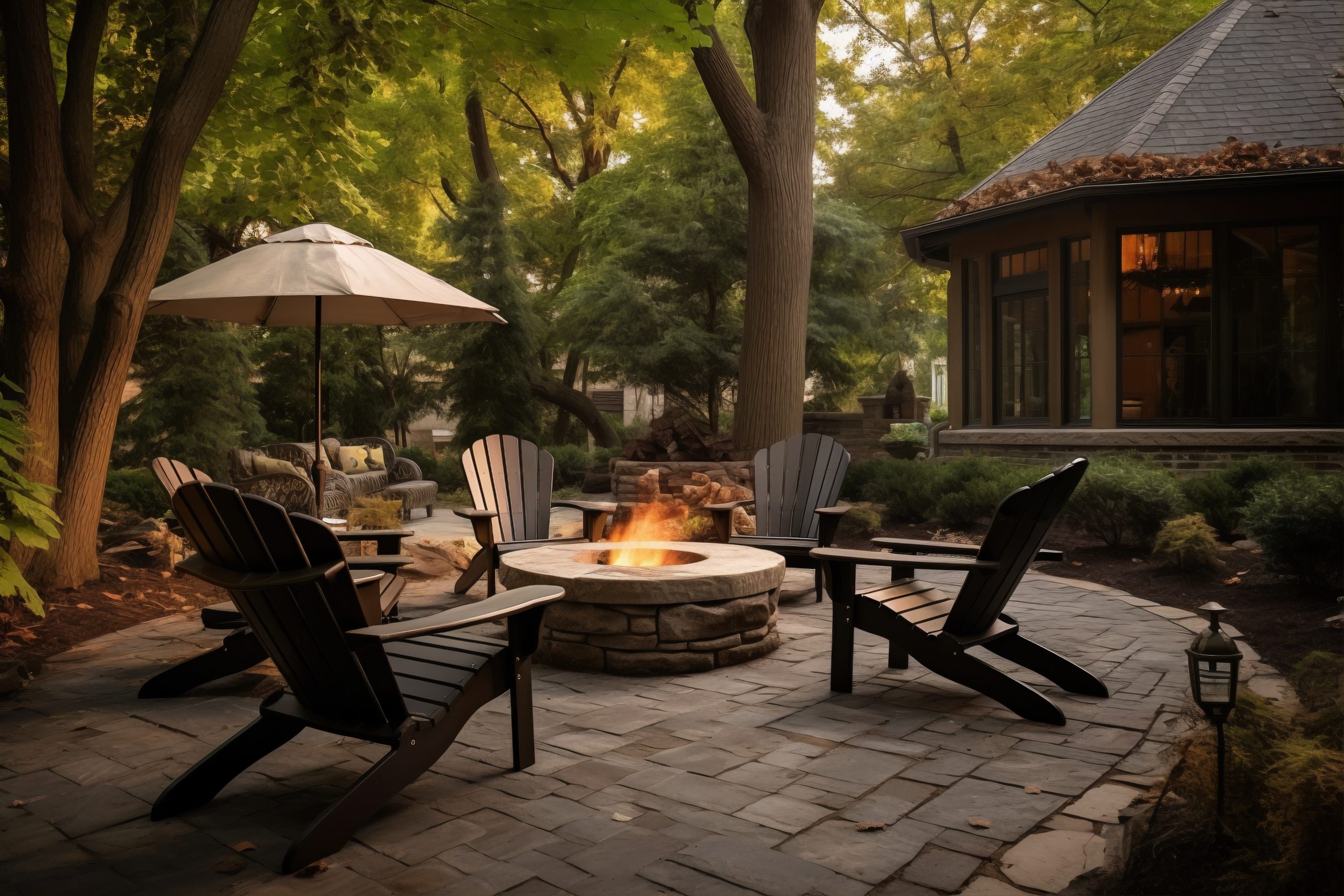
How to Choose a Backyard Fire Pit
There’s something magical about gathering around a fire pit. The crackling flames, warm glow, and conversations that stretch into the night—it’s a scene straight out of your dream backyard. But choosing the right fire pit? That’s a whole other story.
Whether you’re drawn to the timeless charm of wood-burning designs or the modern convenience of gas outdoor fire pits (perfect for clean-burning warmth at the push of a button), there’s a lot to consider. Let’s explore how to find the perfect fire pit for your space. Ready? Let’s dive in.
Why a Fire Pit Is a Great Addition to Your Backyard
Picture this: a cool evening under the stars, friends gathered around a flickering flame, and the smell of roasting marshmallows. Sounds pretty good, right? A fire pit transforms any outdoor space into an inviting retreat that brings people together. It’s where memories are made—whether it’s sharing ghost stories, sipping hot chocolate, or simply enjoying the soothing warmth of the fire.
It’s more than just ambiance, though. Fire pits are a practical feature that enhances your outdoor living space. They extend the use of your backyard into cooler months, making your patio or garden usable year-round. Plus, a well-chosen fire pit can add to the overall value of your home, creating a feature that’s as functional as it is beautiful. Think of them as the heart of your outdoor space.
Things to Consider When Buying a Fire Pit
Choosing a fire pit isn’t just about picking something that looks good in a catalog. It’s about understanding your space, your needs, and the features that matter most to you. Whether you’re looking for a cozy addition to a small yard or a statement piece for a sprawling patio, the right fire pit can elevate your outdoor experience. Let’s break down what you should consider.
1. Determine Your Purpose
The first step is figuring out why you want a fire pit. Seems simple, right? But it’s a question that can save you a lot of time (and money). Are you looking to create a warm gathering spot for friends and family? Do you want a fire pit that doubles as a cooking station for roasting hot dogs or grilling burgers? Or maybe you’re after a stylish centerpiece to anchor your backyard design?
Your purpose will help narrow down your options. For example, if cooking is a priority, you’ll want a fire pit with the right accessories, like a built-in grill or a flat surface for pots and pans. If ambiance is your goal, gas fire pits offer a clean, elegant flame that’s easy to control. Knowing your “why” is key to finding the perfect match.
2. Decide on the Type of Fire Pit
Once you know your purpose, it’s time to decide on the type of fire pit. Broadly, you’ll be choosing between wood-burning and gas fire pits.
Wood-burning fire pits are the classic choice. They offer the full sensory experience—crackling logs, the smoky aroma, and a dancing flame that feels alive. They’re ideal for creating that campfire vibe, and they’re great for cooking. The downside? They require a bit more effort, from chopping wood to cleaning out ashes.
Gas fire pits, on the other hand, are all about convenience. They light up with the push of a button, offer consistent heat, and don’t leave behind a mess. Propane and natural gas options come in a variety of sleek designs, making them perfect for modern or low-maintenance backyards. If you value ease and cleanliness, gas is a no-brainer.
3. Consider Your Space
Before you fall in love with a fire pit design, take a good, hard look at your backyard. How much room do you have to work with? If your outdoor area is small, a compact or portable fire pit might be the best fit. These options offer flexibility, letting you move the fire pit around as needed.
For larger yards, you can go bigger and even consider permanent installations. Built-in fire pits can be customized to fit your space perfectly, creating a polished, integrated look. No matter the size, always ensure there’s enough clearance around the fire pit. It should be safely distanced from your home, trees, and other structures. And don’t forget to think about seating—your fire pit should feel like a natural gathering spot, not an afterthought.
4. Material Matters
The material of your fire pit isn’t just about looks—it’s about longevity and performance. Popular materials include steel, cast iron, stone, and concrete, each offering its own set of benefits.
Steel and cast iron are durable, heat-resistant, and often feature sleek, modern designs. They’re great for contemporary spaces and can withstand frequent use. Stone and concrete, on the other hand, bring a rustic, natural charm. They blend seamlessly with outdoor landscapes and feel like an extension of your yard.
But here’s the catch: not all materials handle the elements equally well. If you live in a rainy climate, look for materials with weather-resistant finishes or covers to protect your investment. And if your area experiences high winds, a heavier stone fire pit might be more practical than a lightweight steel option.
5. Fuel Source Options
Choosing between wood and gas isn’t just about aesthetics—it’s about lifestyle. Each fuel source comes with its own pros and cons.
- Wood-burning fire pits deliver the classic campfire experience. The crackle of burning logs and the smoky aroma are hard to beat. They’re also great for those who enjoy hands-on experiences, like tending to the fire or experimenting with cooking. But they do require effort—chopping wood, lighting the fire, and cleaning up ash.
- Gas fire pits are the ultimate in convenience. They’re easy to light, quick to turn off, and don’t leave behind a mess. Propane tanks are portable, while natural gas lines offer a permanent solution. The flame may lack the rustic charm of wood, but it makes up for it in ease and control.
Think about your habits and preferences. Are you the type who loves building a fire from scratch? Or do you prefer the simplicity of pushing a button?
6. Safety Features
A fire pit is a lot of fun, but safety always comes first. Luckily, many modern fire pits come equipped with features to keep everyone safe. Spark screens, for example, are a must-have for wood-burning models. They prevent stray embers from flying out, protecting your family, guests, and property.
For gas fire pits, proper ventilation is critical. It ensures gas doesn’t build up, which could lead to accidents. Another tip? Always place your fire pit on a fireproof surface and keep a fire extinguisher nearby. It’s better to be prepared than to take chances.
7. Style and Design
Your fire pit should be a seamless addition to your backyard—not a jarring mismatch. Think about the overall look and feel of your space. A sleek, stainless-steel fire pit pairs beautifully with modern furniture and clean lines. On the other hand, a stone or brick fire pit might complement a more rustic or traditional aesthetic.
Also, consider seating arrangements. Built-in seating around a fire pit creates a cozy, intimate atmosphere. If you prefer flexibility, opt for standalone seating that can be moved and rearranged as needed.
8. Budget Considerations
Fire pits come in a wide price range, from budget-friendly options to high-end custom installations. Start by setting a budget. Then, weigh your options. While wood-burning fire pits are typically more affordable, gas fire pits can save you time and effort in the long run.
Don’t forget maintenance costs. Wood-burning pits require regular cleaning and a steady supply of firewood. Gas fire pits may cost more upfront but offer low-maintenance convenience. Consider the long-term expenses, not just the initial price tag.
9. Local Regulations and Permits
Fire pits are fun, but they come with responsibilities. Before buying, check your local rules. Some municipalities have restrictions on open flames or require permits for permanent installations. This is especially true if you’re adding a natural gas line.
Environmental considerations are also important. In some areas, wood-burning pits may be restricted due to air quality concerns. Make sure you’re complying with all regulations to avoid fines—or frustrated neighbors.
10. Accessories and Add-Ons
The right accessories can take your fire pit experience to the next level. Consider these popular add-ons:
- Cooking grates: Turn your fire pit into a grilling station for burgers, hot dogs, or even s’mores.
- Protective covers: Shield your fire pit from rain, snow, and debris when it’s not in use.
- Firewood racks: Keep your wood organized and dry while adding a decorative touch.
Accessories not only improve functionality but also help protect your investment. Plus, they make your fire pit a true multitasking marvel.
Wrapping Up
Choosing a backyard fire pit doesn’t have to be overwhelming. By considering your purpose, space, and style, you can find a fire pit that fits your lifestyle perfectly. Whether you opt for the classic charm of wood-burning or the clean convenience of gas, the right fire pit can transform your backyard into a warm, welcoming retreat. So start planning your outdoor haven today—and get ready to make some unforgettable memories.
